简体中文
简体中文 English
- PRODUCTSIndustrial PoE Media Converter Industrial Media Converter Industrial Unmanaged PoE Switch Industrial Managed PoE Switch Industrial Unmanaged Ethernet Switch Industrial Managed Ethernet Switch Industrial PoE Injector Industrial PoE Splitter Industrial PoE Extender DIN-Rail Power Supply Rackmount DIN-Rail BracketHDMI Over Fiber ConverterSDI Over Fiber ConverterSDI Over Fiber Converter 12G-SDI Over Fiber Converter 3G-SDI Over Fiber Converter HD-SDI Over Fiber ConverterDVI Over Fiber ConverterAHD/CVI/TVI Over Fiber
- SOLUTIONS
- Download
- ABOUT
- CONTACT


Choosing the right Ethernet switch is essential for building a reliable and efficient network. While industrial switches and commercial switches perform the same basic function of connecting network devices, they are designed for very different operating environments.
Commercial switches are ideal for offices, retail stores, and standard business networks where environmental conditions are stable. Industrial switches, on the other hand, are engineered to withstand extreme temperatures, vibration, dust, electrical interference, and continuous operation in demanding environments.
In this guide, we'll compare industrial and commercial Ethernet switches, explain their key differences, and help you determine which solution best fits your application.
What Is an Industrial Switch?
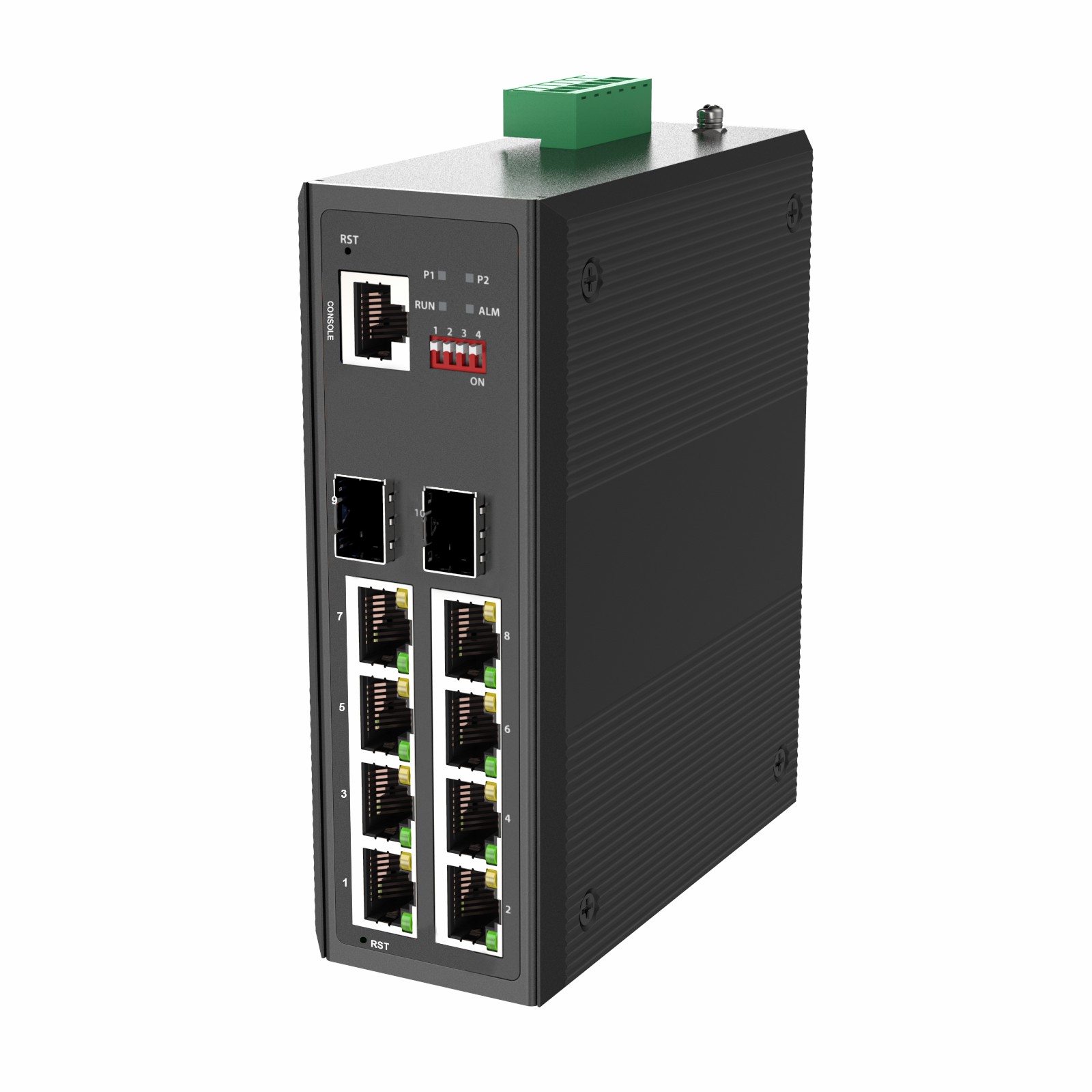
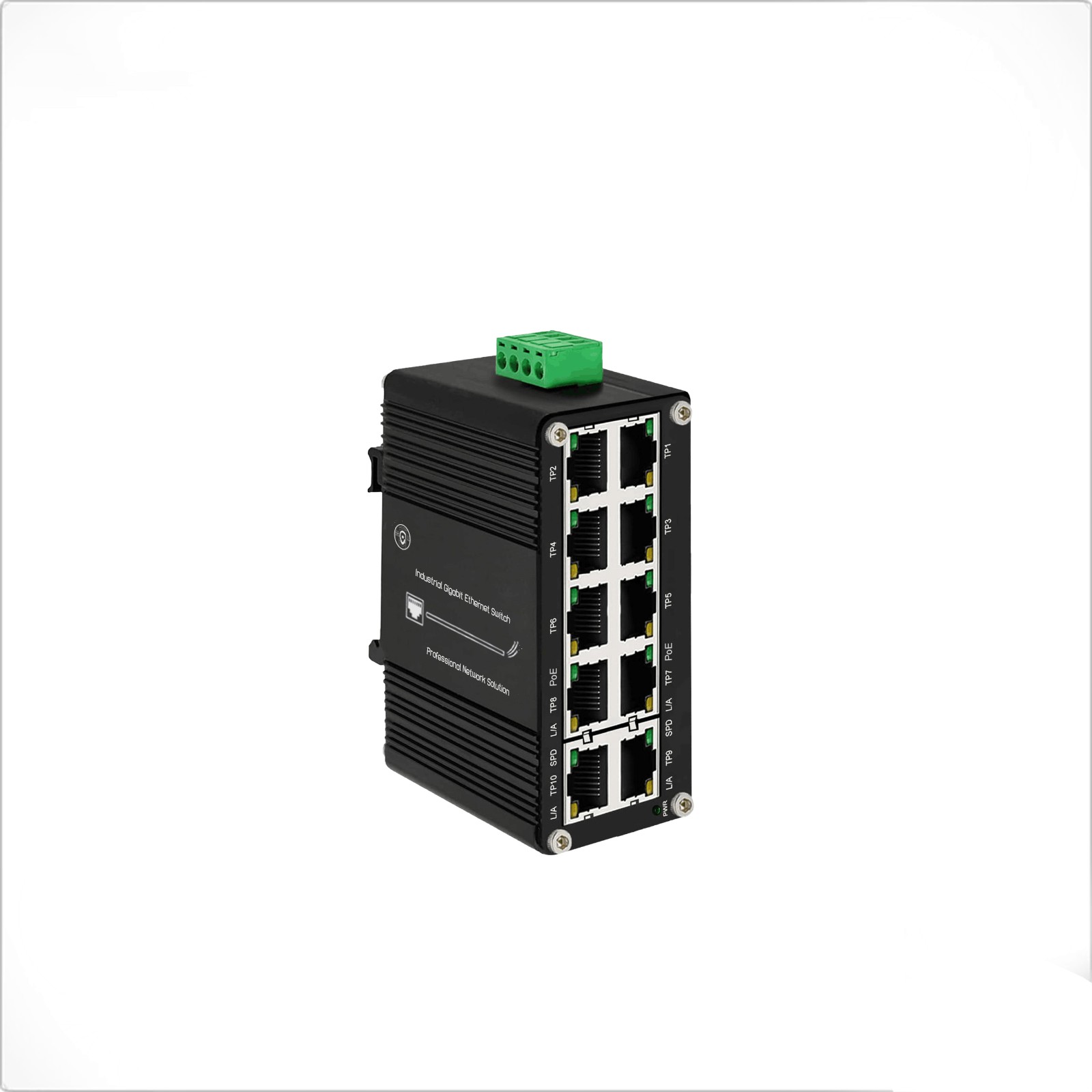
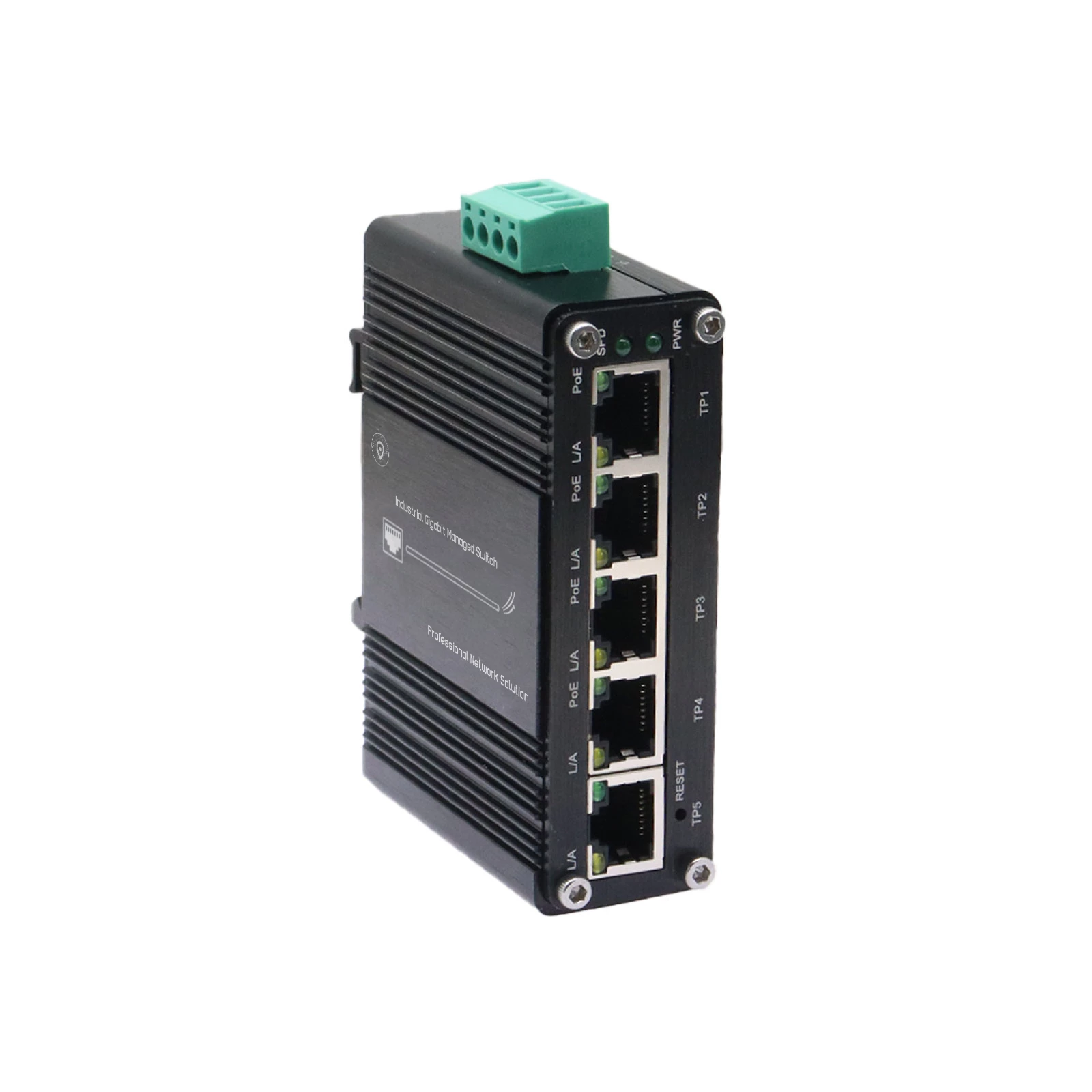
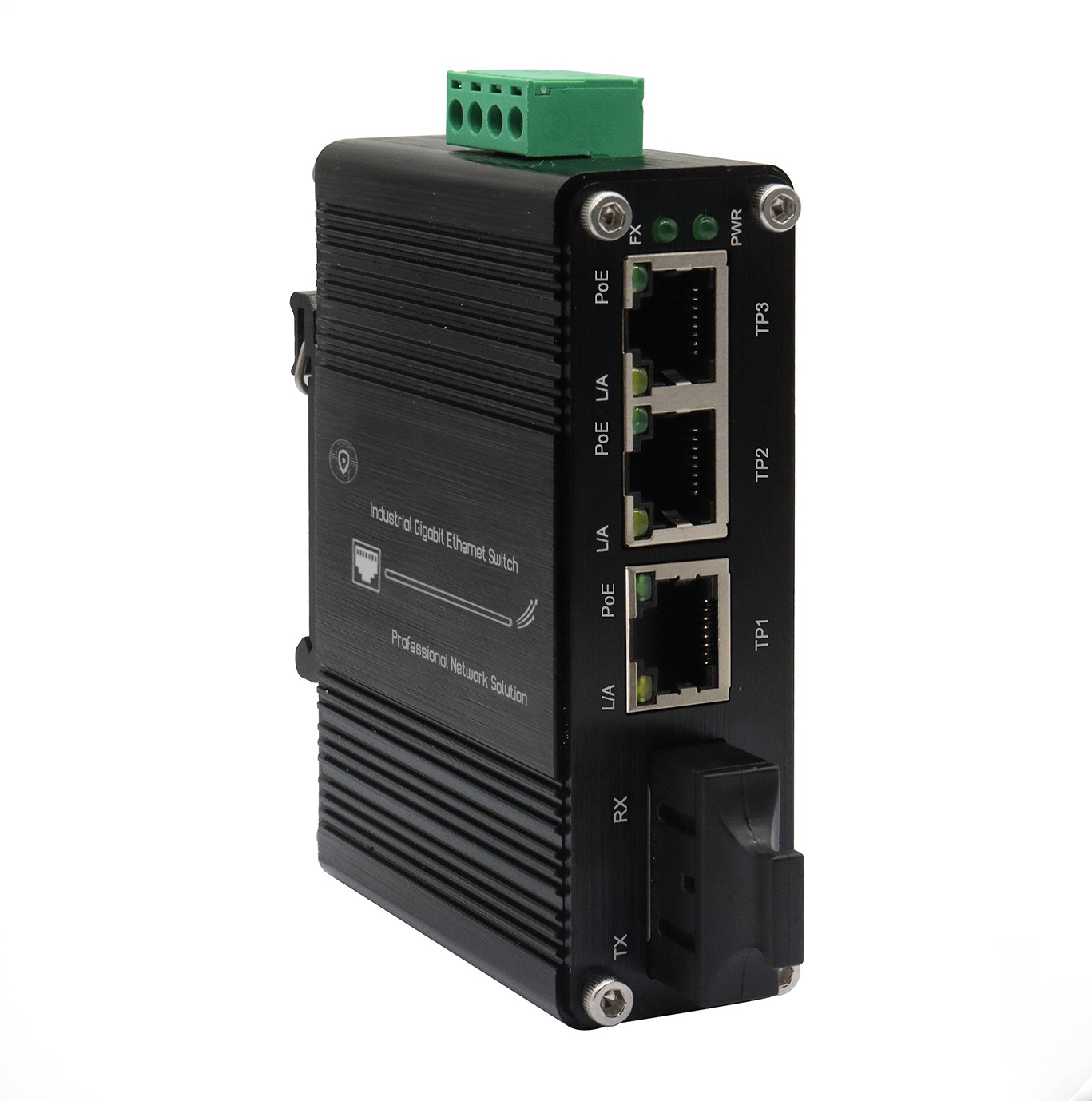
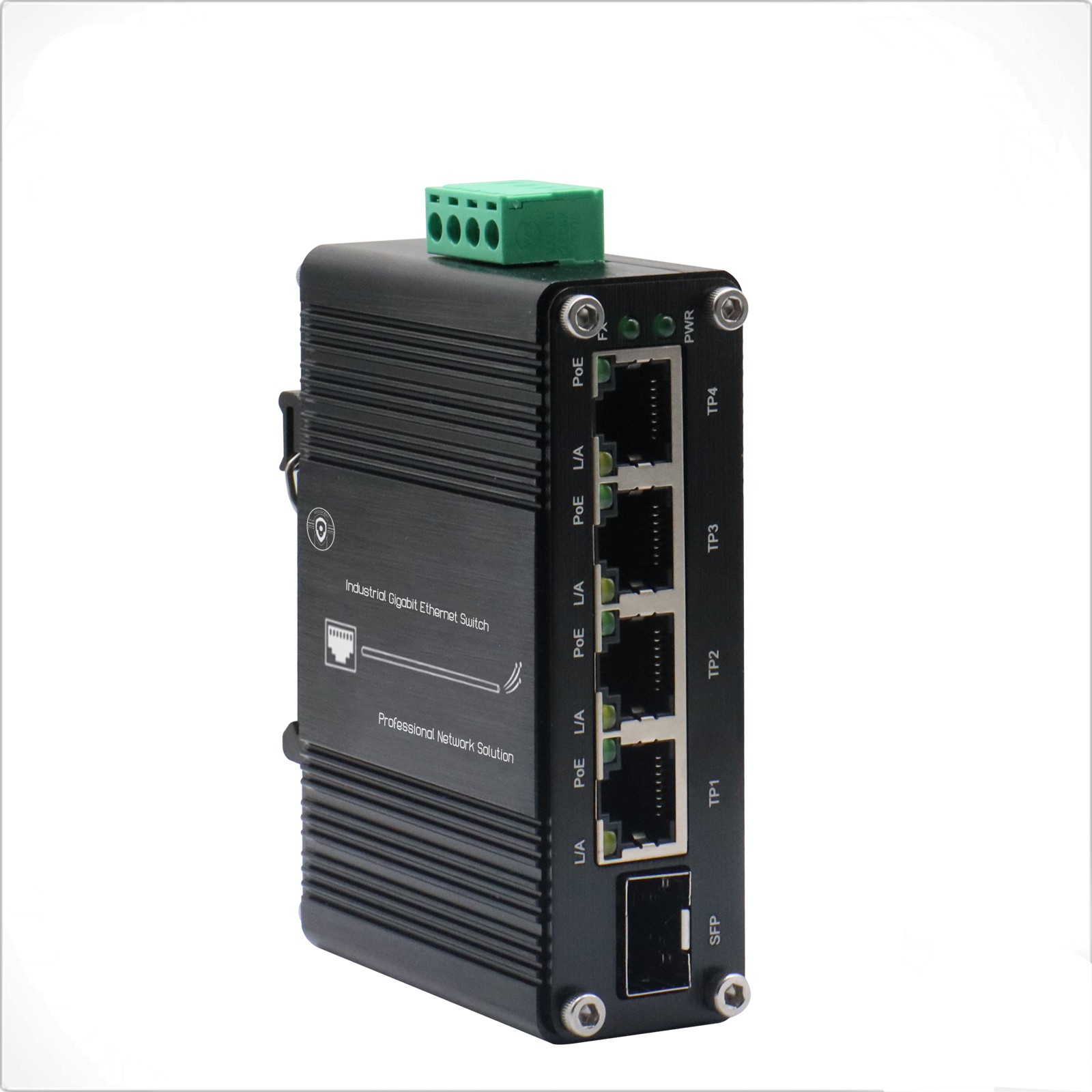
An industrial Ethernet switch is a network switch specifically designed for industrial environments where reliability and durability are critical.
Unlike standard commercial switches, industrial models are built with rugged hardware and industrial-grade components to ensure stable network communication under harsh operating conditions.
Industrial switches are commonly used in:
Factory automation
Manufacturing plants
Transportation systems
Power substations
Oil and gas facilities
Mining operations
Smart city infrastructure
Outdoor surveillance networks
Many industrial switches also support advanced features such as PoE, Layer 2 or Layer 3 management, fiber uplinks, and redundant network protocols.
What Is a Commercial Switch?
A commercial Ethernet switch is designed for indoor business and office environments where temperature, humidity, and electrical conditions are well controlled.
Commercial switches provide reliable network connectivity for:
Offices
Retail stores
Schools
Hotels
Small businesses
Enterprise workspaces
These switches are generally more affordable and easier to deploy but are not intended for harsh industrial environments.
Industrial Switch vs. Commercial Switch: Key Differences
| Feature | Industrial Switch | Commercial Switch |
|---|---|---|
| Operating Environment | Harsh industrial environments | Indoor commercial environments |
| Operating Temperature | Typically -40°C to +75°C | Typically 0°C to +50°C |
| Housing | Industrial aluminum or metal | Plastic or standard metal |
| Cooling | Fanless design | Fan-cooled or passive |
| Power Input | Dual redundant DC (on supported models) | Single AC power |
| Surge Protection | Industrial-grade | Basic protection |
| EMI Resistance | High | Standard |
| Installation | DIN rail, wall mount, rackmount | Desktop or rackmount |
| Reliability | Designed for 24/7 continuous operation | Designed for standard business use |
| Expected Service Life | Longer in demanding environments | Optimized for indoor use |
Although both switch types forward Ethernet traffic, industrial switches are built to maintain stable performance where commercial switches may fail.
Operating Temperature
Temperature is one of the biggest differences between industrial and commercial switches.
Industrial switches typically support operating temperatures from -40°C to +75°C, making them suitable for:
Outdoor cabinets
Manufacturing facilities
Transportation infrastructure
Cold storage warehouses
High-temperature production areas
Commercial switches generally operate within 0°C to +50°C, making them suitable for climate-controlled indoor environments.
Power Input and Reliability
Industrial applications often require uninterrupted network communication.
Many industrial switches support:
Dual redundant DC power inputs
Reverse polarity protection (on supported models)
Power failure alarms
Wide voltage input ranges
These features improve system reliability and reduce downtime.
Commercial switches usually rely on a single AC power supply and are intended for environments with stable electrical infrastructure.
EMI and Surge Protection
Industrial facilities often contain motors, welding equipment, heavy machinery, and high-voltage systems that generate electromagnetic interference (EMI).
Industrial switches are designed with enhanced protection, including:
High EMC immunity
ESD protection
Surge protection
Electrical isolation (on supported models)
These features help ensure stable communication in electrically noisy environments.
Commercial switches provide basic protection suitable for office applications but are not intended for high-interference industrial settings.
Installation Methods
Industrial switches are designed to integrate into industrial control systems.
Common installation methods include:
DIN rail mounting
Wall mounting
Rackmount installation (for selected models)
Commercial switches are commonly installed as:
Desktop devices
Rackmount equipment in IT rooms or offices
Choosing the correct installation method simplifies deployment and maintenance.
Management Features
Both industrial and commercial switches may be available as managed or unmanaged models.
Managed industrial switches often support advanced networking functions such as:
VLAN
QoS
SNMP
IGMP Snooping
STP/RSTP/MSTP
ERPS
Static Routing
RIP and OSPF (Layer 3 models)
Port Mirroring
Access Control Lists (ACLs)
These capabilities help optimize network performance and improve reliability in complex industrial environments.
Typical Applications
Industrial Switch Applications
Industrial switches are widely used in:
Factory automation
Industrial robotics
Machine vision systems
Process control
Railway communication
Intelligent transportation systems
Smart grid infrastructure
Renewable energy facilities
Port and airport surveillance
Outdoor IP camera networks
Commercial Switch Applications
Commercial switches are commonly deployed in:
Office LANs
Retail stores
Hotels
Schools
Healthcare facilities
Conference rooms
Small business networks
These environments generally have lower environmental demands and do not require industrial-grade protection.
Which Switch Should You Choose?
The right choice depends on your operating environment and network requirements.
Choose an industrial switch if you need:
Operation in extreme temperatures
Long-term reliability
Resistance to dust, vibration, and EMI
Redundant power inputs
Industrial automation support
Outdoor deployment
Mission-critical network stability
Choose a commercial switch if you need:
Network connectivity in offices or indoor buildings
Lower initial investment
Standard business networking
Plug-and-play deployment in controlled environments
Selecting the appropriate switch helps maximize system reliability while avoiding unnecessary costs.
Why Choose WXA Industrial Ethernet Switches?
WXA designs and manufactures industrial Ethernet switches for demanding networking applications worldwide.
Our advantages include:
More than 13 years of manufacturing experience
Managed and unmanaged industrial switch solutions
Industrial PoE switch product line
Layer 2, Layer 2+, and Layer 3 models
Gigabit and 10G SFP+ uplink options
Wide operating temperature from -40°C to +75°C
Fanless industrial-grade aluminum housing
Dual redundant power input on supported models
DIN rail and rackmount options
CE, FCC, and RoHS certified products
OEM and ODM customization services
Fast production and global delivery
Professional technical support
Five-year warranty for industrial switch series
Our products are trusted in manufacturing, transportation, energy, surveillance, industrial automation, and smart city projects around the world.
Frequently Asked Questions
Can I use a commercial switch in an industrial environment?
While it may function in the short term, a commercial switch is not designed for harsh industrial conditions. Extreme temperatures, vibration, dust, and electromagnetic interference can reduce reliability and shorten its service life.
Are industrial switches more reliable?
Yes. Industrial switches are specifically engineered for continuous operation in demanding environments. Their rugged construction, industrial-grade components, and enhanced protection make them more reliable for critical applications.
Do industrial switches support PoE?
Many industrial switches are available with PoE functionality, supporting IEEE 802.3af, 802.3at (PoE+), and IEEE 802.3bt (PoE++) standards to power devices such as IP cameras, wireless access points, and industrial sensors.
Are industrial switches managed?
Industrial switches are available in both managed and unmanaged versions. Managed models provide advanced networking features such as VLANs, QoS, SNMP, redundancy protocols, and routing capabilities.
Why are industrial switches more expensive than commercial switches?
Industrial switches use higher-grade components, rugged enclosures, wider operating temperature ranges, enhanced protection, and specialized industrial features. These design improvements increase reliability and reduce maintenance costs in challenging environments.
Industrial PoE Switch | Managed PoE Switch | Gigabit PoE Switch | DIN Rail PoE Switch | Industrial Ethernet Switch | Smart Transportation Network | Traffic Monitoring System | Outdoor PoE Switch | PoE for CCTV | Fiber Uplink PoE Switch