简体中文
简体中文 English
- PRODUCTSIndustrial PoE Media Converter Industrial Media Converter Industrial Unmanaged PoE Switch Industrial Managed PoE Switch Industrial Unmanaged Ethernet Switch Industrial Managed Ethernet Switch Industrial PoE Injector Industrial PoE Splitter Industrial PoE Extender DIN-Rail Power Supply Rackmount DIN-Rail BracketHDMI Over Fiber ConverterSDI Over Fiber ConverterSDI Over Fiber Converter 12G-SDI Over Fiber Converter 3G-SDI Over Fiber Converter HD-SDI Over Fiber ConverterDVI Over Fiber ConverterAHD/CVI/TVI Over Fiber
- SOLUTIONS
- Download
- ABOUT
- CONTACT


Factory automation systems are becoming increasingly connected as manufacturers adopt smart production technologies, industrial IoT, robotics, and real-time monitoring systems.
A reliable communication network is essential for connecting:
PLC controllers
Industrial computers
HMIs
Sensors
Industrial cameras
Robots
Production equipment
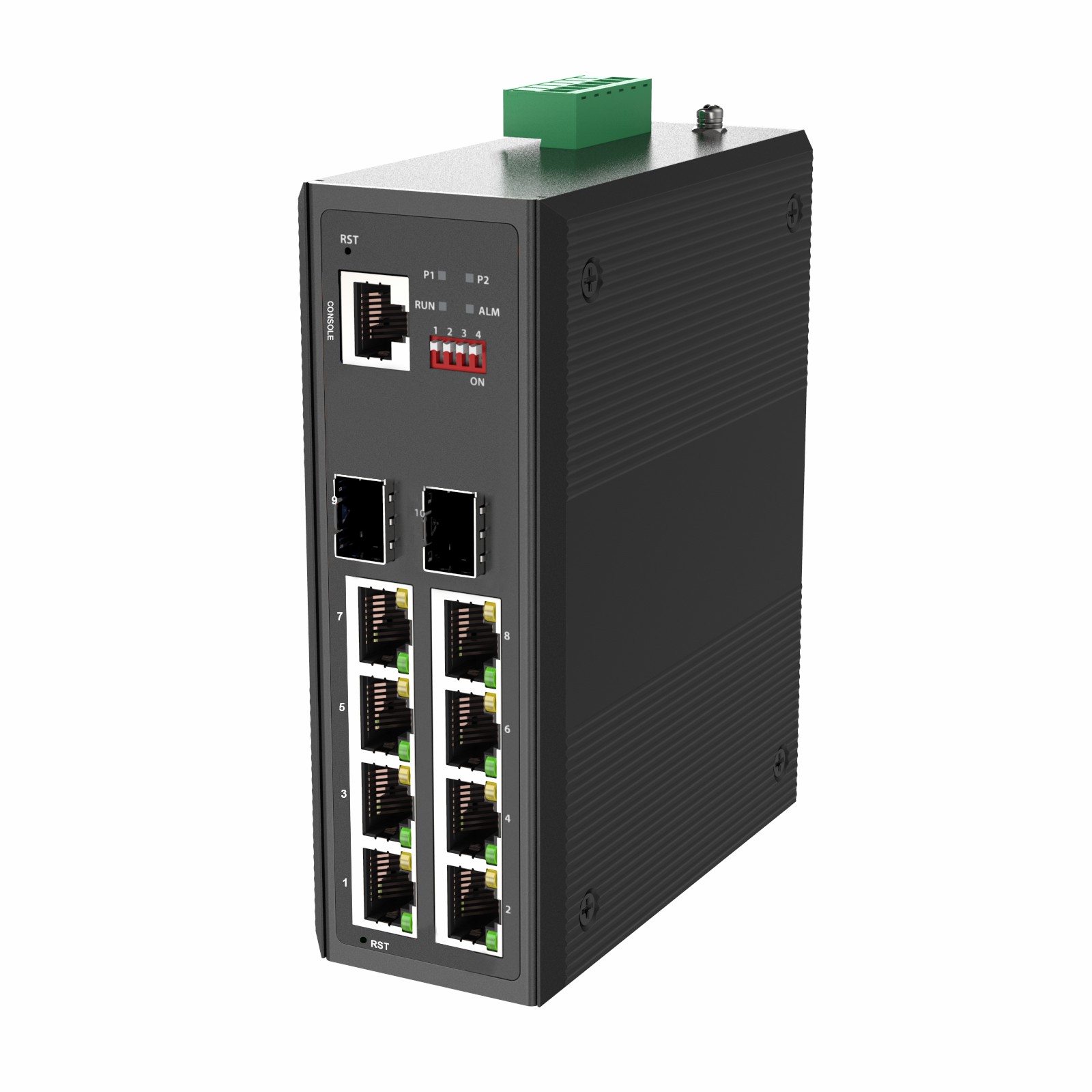
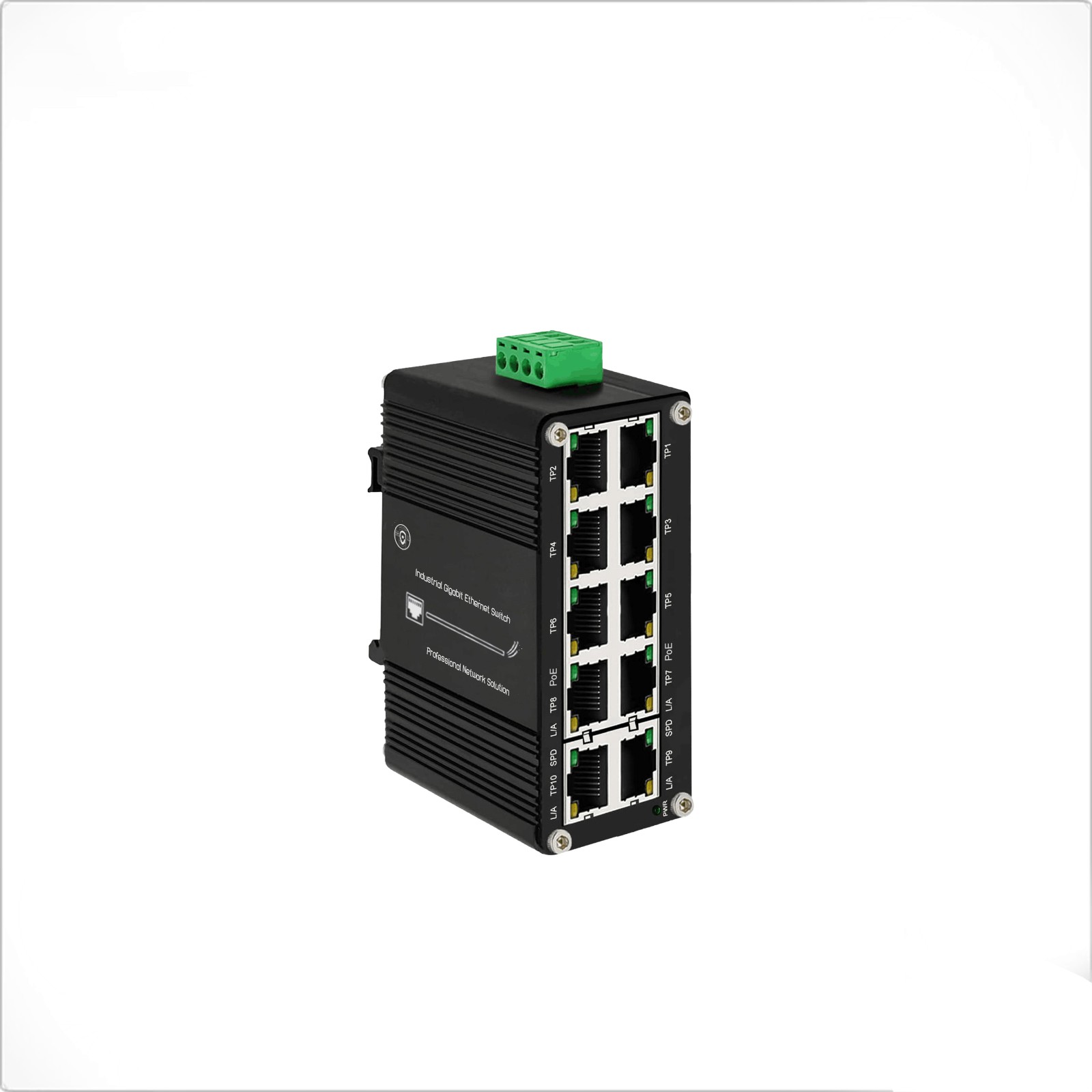
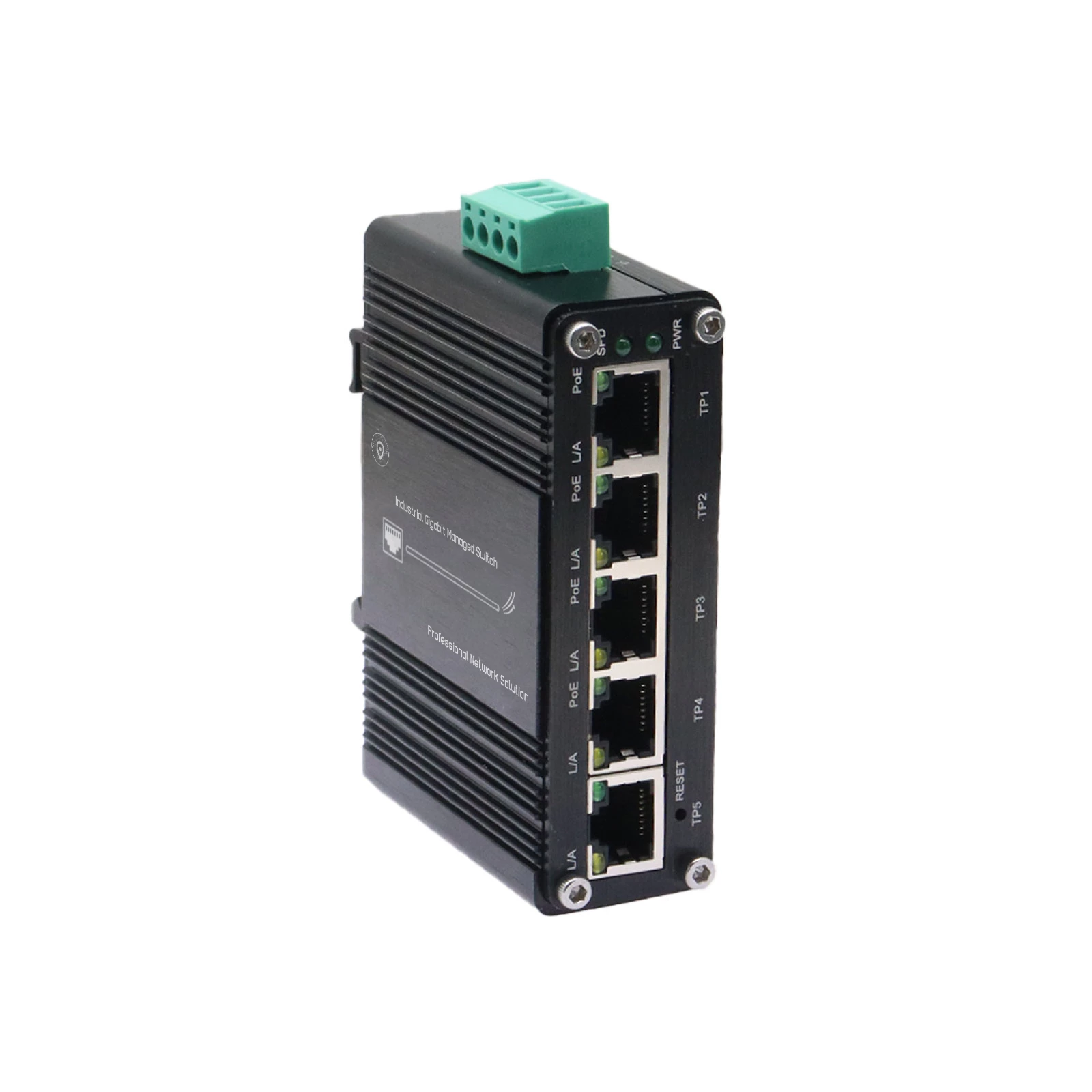
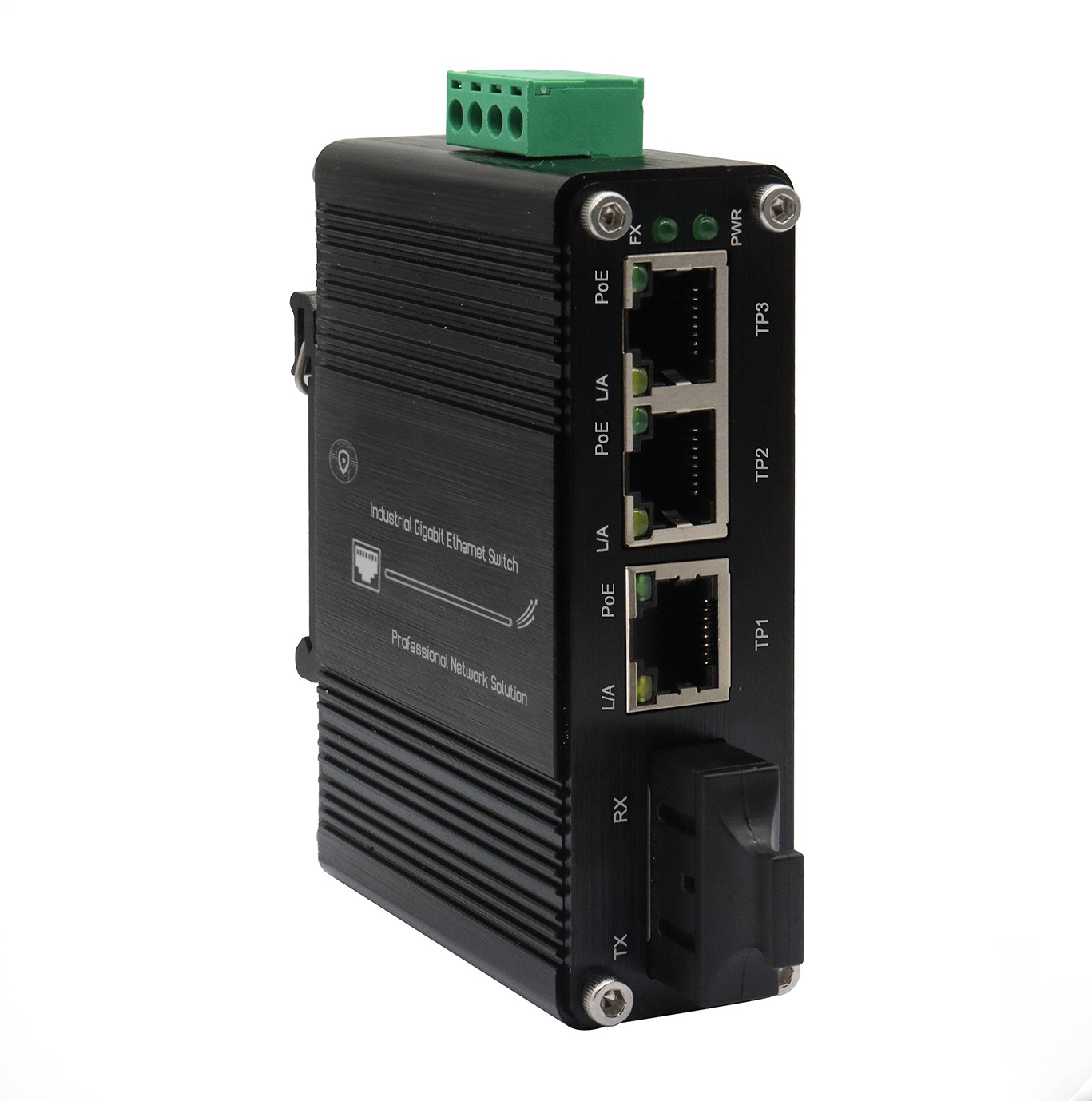
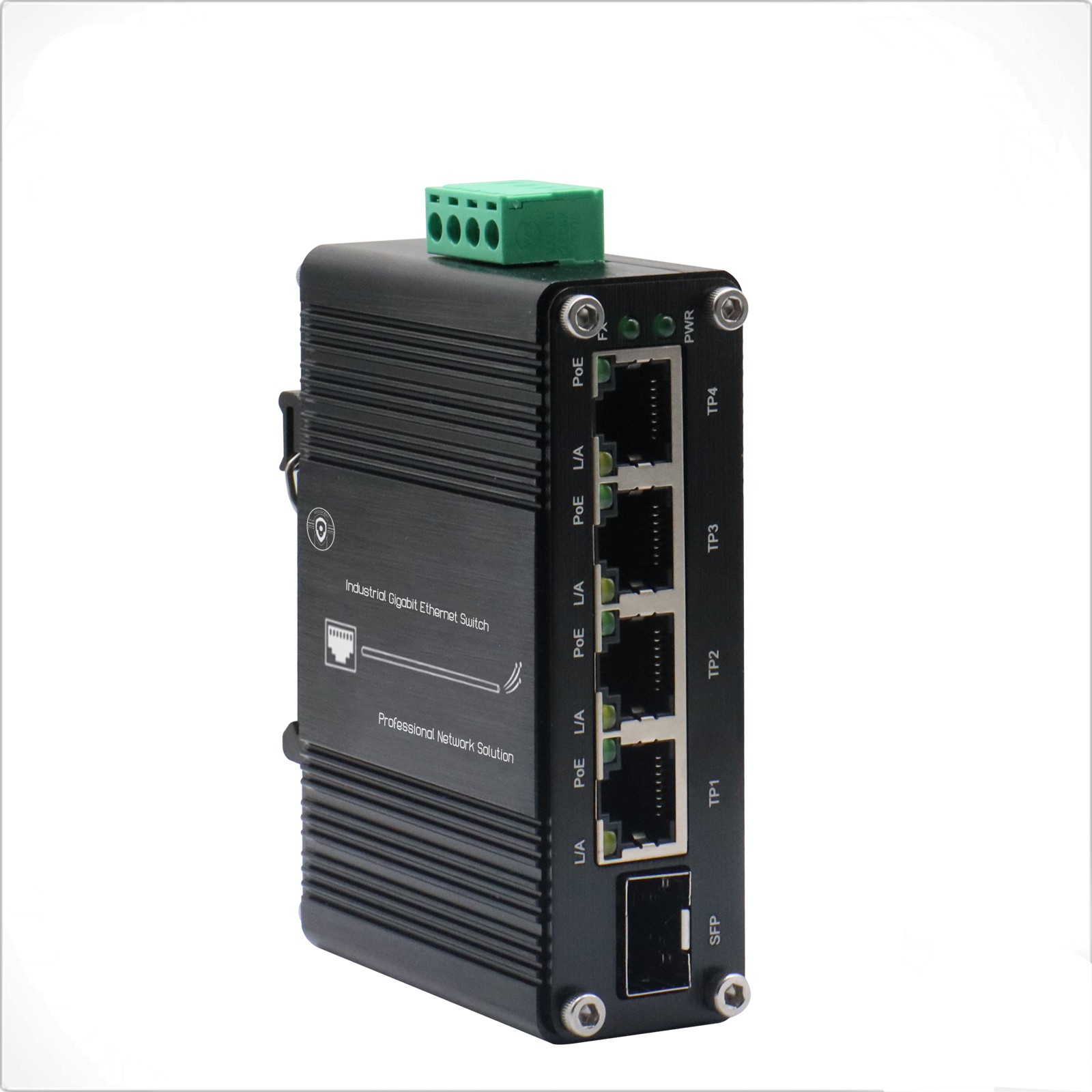
The industrial Ethernet switch is the core networking device that ensures stable communication between automation devices.
However, choosing the right Industrial Ethernet Switch for Factory Automation can be challenging because different projects have different requirements for bandwidth, reliability, management functions, and environmental conditions.
This guide explains the key factors engineers and system integrators should consider when selecting an industrial Ethernet switch.
Why Factory Automation Needs Industrial Ethernet Switches
Reliable Communication in Production Environments
Unlike office networks, factory networks operate in demanding conditions.
Industrial environments may include:
Electrical interference from machines
Temperature fluctuations
Dust and vibration
Continuous operation requirements
Industrial Ethernet switches are designed with rugged hardware and industrial features to maintain stable communication.
Support for Real-Time Industrial Data
Modern automation systems require fast data exchange between multiple devices.
Examples include:
PLC control signals
Machine vision image transmission
Robot communication
Production monitoring data
A suitable industrial switch helps reduce communication delays and improves production efficiency.
Key Factors When Choosing an Industrial Ethernet Switch
1. Determine the Required Number of Ports
The first step is selecting the correct port capacity.
Small Automation Systems
5-port or 8-port industrial switches are suitable for:
Individual machines
Small control cabinets
Basic automation networks
Medium Production Lines
16-port industrial switches are commonly used for:
Multiple PLC systems
Production cells
Factory equipment networks
Large Industrial Networks
24-port or higher industrial switches are suitable for:
Factory backbone networks
Large automation systems
Multiple production areas
Choosing enough ports allows future network expansion.
2. Select the Right Ethernet Speed
Network speed directly affects system performance.
Fast Ethernet (100Mbps)
Suitable for:
Basic PLC communication
Simple industrial devices
Gigabit Ethernet (1000Mbps)
Recommended for modern automation projects.
Applications include:
Industrial cameras
Large data transmission
Smart manufacturing systems
Higher Bandwidth Networks
High-speed industrial networks may require:
2.5G Ethernet
10G uplinks
Fiber backbone connections
3. Managed vs Unmanaged Industrial Ethernet Switch
Unmanaged Industrial Switch
An unmanaged switch provides simple plug-and-play networking.
Advantages:
Easy installation
Lower cost
No configuration required
Suitable for:
Small automation systems
Simple device connections
Managed Industrial Switch
Managed switches provide advanced network control.
Important functions include:
VLAN
Separates different network areas and improves security.
QoS
Prioritizes important industrial traffic.
SNMP
Allows remote monitoring and network management.
ERPS Ring Redundancy
Provides fast recovery during network failures.
Managed switches are recommended for large factories and critical automation applications.
4. Consider Industrial Environment Requirements
A factory environment requires stronger hardware than office networking.
Important specifications include:
Wide Temperature Support
Industrial Ethernet switches may need to operate in extreme environments.
Common industrial temperature range:
-40℃ to 75℃
Suitable for:
Outdoor cabinets
Manufacturing plants
Transportation systems
Rugged Housing Design
Industrial switches usually feature:
Metal enclosure
Better electromagnetic resistance
Fanless cooling design
This improves reliability and reduces maintenance requirements.
Industrial Installation Design
Many automation projects require compact installation inside control cabinets.
DIN-rail installation provides:
Easy deployment
Space-saving installation
Convenient maintenance
5. Choose Copper or Fiber Connectivity
Different projects require different transmission methods.
RJ45 Ethernet Ports
Suitable for:
Short-distance connections
Factory equipment
PLC systems
Fiber SFP Ports
Suitable for:
Long-distance communication
Factory backbone networks
High-interference environments
Many industrial switches combine RJ45 and SFP ports for flexible deployment.
Common Industrial Ethernet Switch Applications
PLC Automation Systems
Connect:
PLC controllers
HMIs
Sensors
Industrial PCs
for reliable control communication.
Machine Vision Systems
Industrial cameras require stable and high-speed networking for:
Quality inspection
Automated measurement
Production monitoring
Robotics Systems
Industrial Ethernet switches provide reliable communication between:
Robot controllers
Production equipment
Control systems
Smart Factory Networks
Support connections between:
IIoT devices
Cloud gateways
Data monitoring systems
Common Mistakes When Selecting Industrial Switches
Choosing Commercial Switches for Industrial Applications
Office switches may fail due to:
Temperature limitations
Poor interference resistance
Shorter operating life
Ignoring Future Expansion
Selecting a switch with insufficient ports may increase upgrade costs later.
Consider:
Additional devices
Higher bandwidth requirements
Network expansion plans
Selecting Features Without Considering Application
Not every project requires advanced management functions.
Choose based on:
Network complexity
Reliability requirements
Budget
Why Choose Our Industrial Ethernet Switch Solutions
Designed for Industrial Applications
Our industrial Ethernet switches are developed for:
Factory automation
Industrial IoT
Smart manufacturing
Transportation systems
Reliable Industrial Hardware
Features include:
Wide temperature operation
Fanless aluminum housing
Industrial-grade design
Stable 24/7 operation
Advanced Network Management
Managed models support:
VLAN
QoS
SNMP
ERPS redundancy
Web management
to help engineers build reliable industrial networks.
Flexible OEM and Project Support
We provide:
OEM customization
Technical support
Project solutions
Bulk supply capability
for global distributors, system integrators, and automation companies.