简体中文
简体中文 English
- PRODUCTSIndustrial PoE Media Converter Industrial Media Converter Industrial Unmanaged PoE Switch Industrial Managed PoE Switch Industrial Unmanaged Ethernet Switch Industrial Managed Ethernet Switch Industrial PoE Injector Industrial PoE Splitter Industrial PoE Extender DIN-Rail Power Supply Rackmount DIN-Rail BracketHDMI Over Fiber ConverterSDI Over Fiber ConverterSDI Over Fiber Converter 12G-SDI Over Fiber Converter 3G-SDI Over Fiber Converter HD-SDI Over Fiber ConverterDVI Over Fiber ConverterAHD/CVI/TVI Over Fiber
- SOLUTIONS
- Download
- ABOUT
- CONTACT


Modern railway and transportation systems rely heavily on advanced communication networks to ensure safe operation, efficient management, and real-time monitoring.
From railway stations and subway systems to highway monitoring and intelligent transportation infrastructure, thousands of devices need continuous and reliable data communication.
These systems connect:
Surveillance cameras
Passenger information systems
Signal control equipment
Industrial computers
Sensors
Communication gateways
Control systems
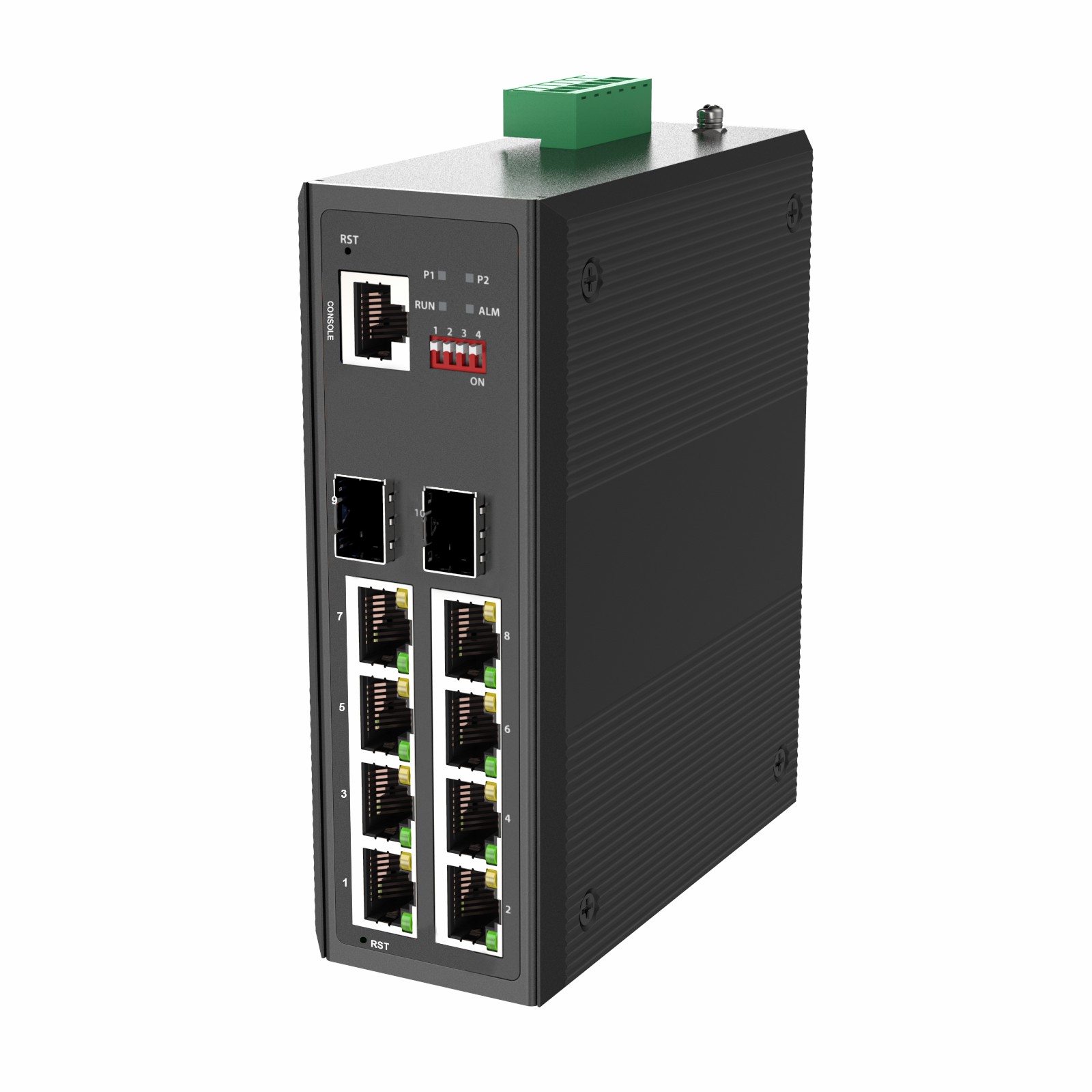
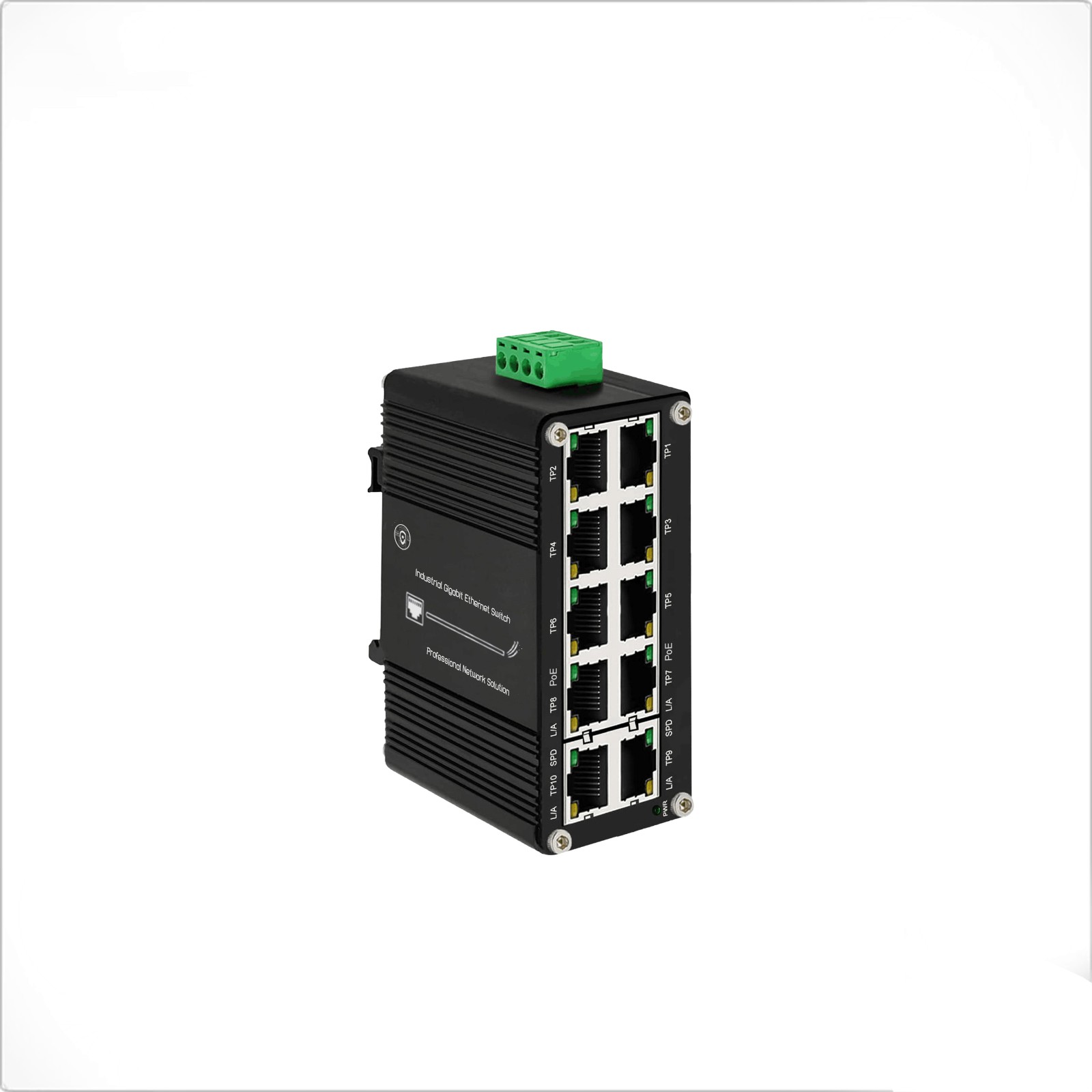
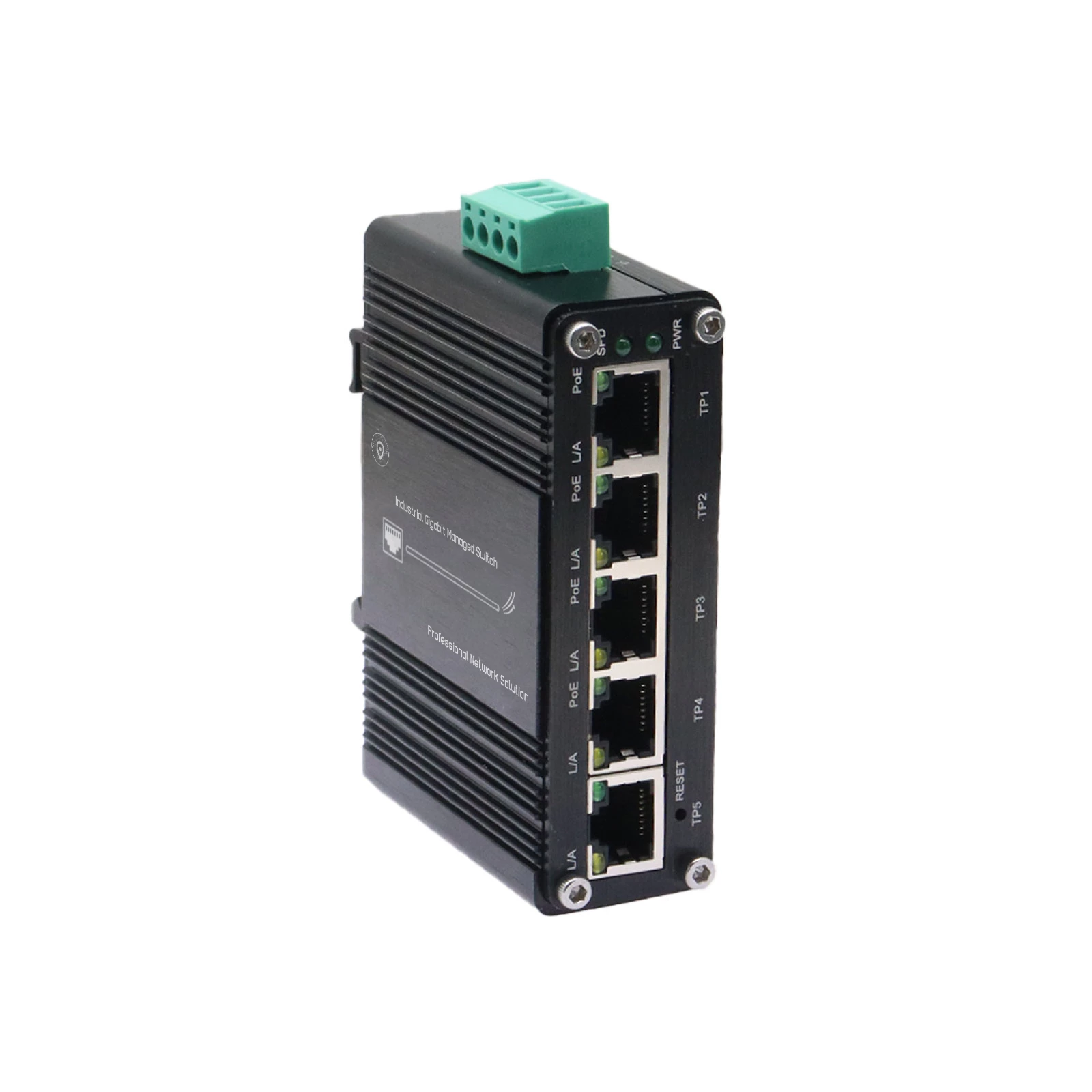
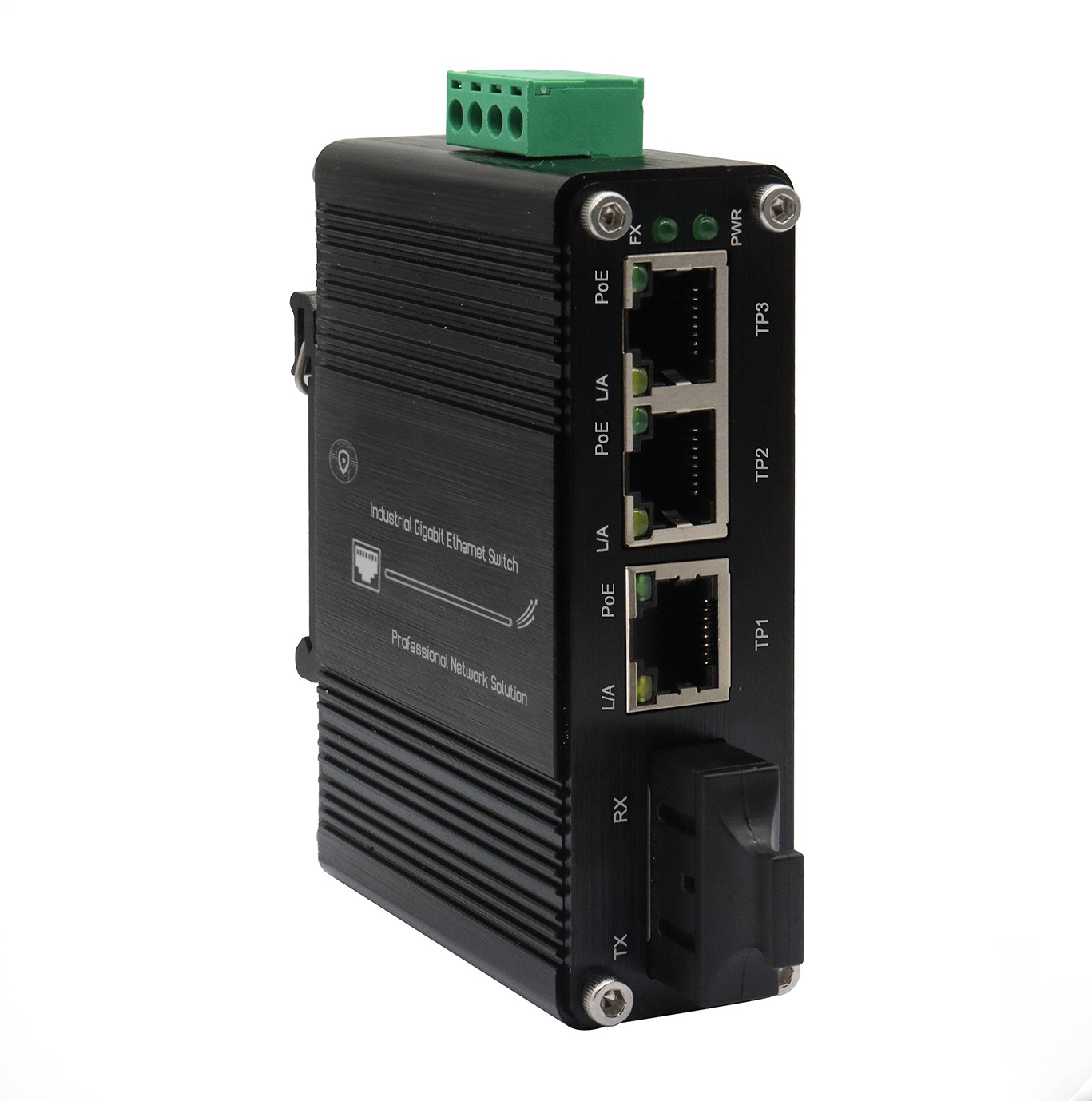
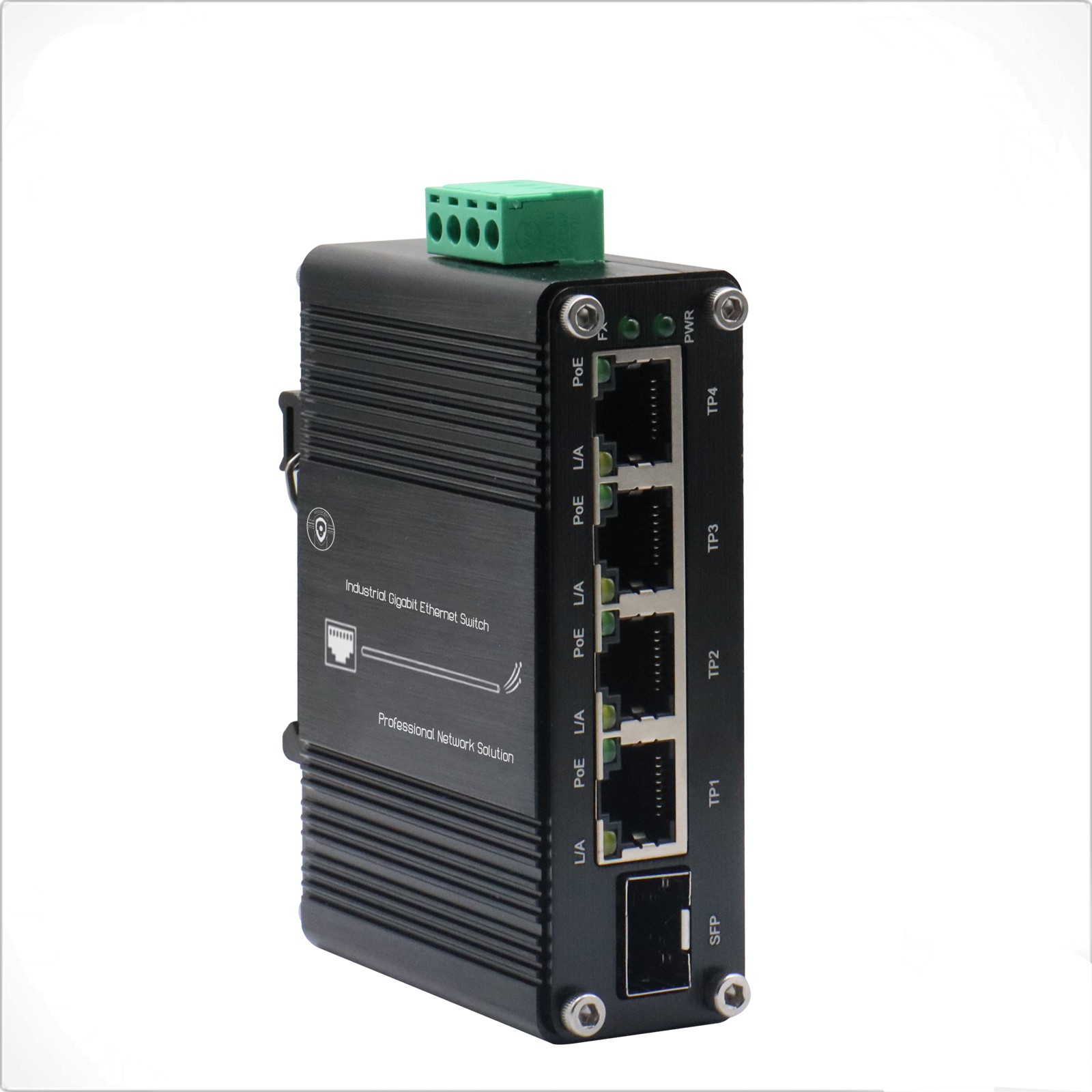
A reliable Industrial Ethernet Switch for Railway Systems provides the network foundation required for these critical transportation applications.
Unlike standard commercial switches, industrial Ethernet switches are designed to withstand harsh environments, provide stable communication, and support advanced network management functions.
Challenges of Railway and Transportation Networks
1. Harsh Operating Environments
Transportation infrastructure often operates in challenging conditions, including:
Extreme temperatures
Vibration and mechanical impact
Electromagnetic interference
Outdoor exposure
Continuous 24/7 operation
Commercial network switches may not provide sufficient reliability for transportation projects.
Industrial Ethernet switches are designed with rugged hardware and industrial-grade components to maintain stable performance.
2. High Reliability Requirements
Railway and transportation networks are critical systems where communication failures can affect:
Safety monitoring
Operation efficiency
Passenger services
Equipment management
Network equipment must provide:
Stable data transmission
Fast recovery capability
Long service life
Reliable operation
3. Large-Scale Network Deployment
Transportation projects often cover large areas, requiring communication between multiple locations.
Examples include:
Railway stations
Subway tunnels
Control rooms
Trackside equipment
Traffic monitoring points
Industrial Ethernet switches provide flexible networking solutions using copper and fiber connections.
Why Industrial Ethernet Switches Are Used in Railway Applications
Stable Industrial Communication
Industrial Ethernet switches provide reliable connections between different transportation devices.
They support communication between:
Control systems
Monitoring equipment
Field devices
Management platforms
This ensures smooth data exchange throughout the transportation network.
Fiber Connectivity for Long-Distance Transmission
Railway and transportation systems often require long-distance communication.
Fiber uplink technology provides:
Extended transmission distance
High bandwidth
Strong electromagnetic interference resistance
Common applications include:
Railway backbone networks
Subway communication systems
Traffic monitoring networks
Key Features of Industrial Ethernet Switches for Transportation Systems
1. Rugged Industrial Design
Transportation environments require durable equipment.
Industrial Ethernet switches typically feature:
Metal housing
Fanless design
Industrial components
Enhanced protection capability
These designs improve reliability in demanding applications.
2. Wide Temperature Operation
Railway and outdoor transportation equipment may face significant temperature changes.
Industrial Ethernet switches with wide temperature support can operate in:
Outdoor cabinets
Railway stations
Trackside systems
Transportation control rooms
A typical industrial temperature range:
-40℃ to 75℃
3. Network Redundancy for High Availability
Transportation systems require continuous communication.
Industrial managed switches support redundancy technologies such as:
ERPS Ring Protection
Provides fast network recovery when communication paths fail.
Link Aggregation
Combines multiple network connections to improve reliability and bandwidth.
Dual Power Input
Provides additional power reliability for critical applications.
4. Advanced Network Management
Managed industrial Ethernet switches provide professional control features.
VLAN
Separates different transportation network systems to improve security.
QoS
Prioritizes important traffic such as:
Video monitoring
Control signals
Real-time communication
SNMP
Allows remote monitoring and maintenance of large networks.
Industrial Ethernet Switch Applications in Transportation
Railway Communication Systems
Used for:
Railway signaling networks
Station monitoring
Train communication systems
Control center connections
Subway and Metro Networks
Industrial Ethernet switches support:
Platform surveillance
Passenger information systems
Environmental monitoring
Equipment management
Intelligent Transportation Systems
Applications include:
Traffic monitoring cameras
Roadside communication equipment
Smart traffic control systems
Highway and Tunnel Monitoring
Industrial switches provide reliable networking for:
Tunnel cameras
Emergency communication systems
Traffic management equipment
Managed vs Unmanaged Industrial Ethernet Switch for Transportation
Unmanaged Industrial Switch
Suitable for simple transportation applications requiring basic connectivity.
Advantages:
Easy deployment
Simple operation
Cost-effective
Applications:
Small monitoring networks
Basic device connections
Managed Industrial Switch
Recommended for complex transportation infrastructure.
Advantages:
Network monitoring
Traffic management
Redundant communication
Remote configuration
Suitable for:
Railway systems
Metro networks
Large transportation projects
How to Choose the Right Industrial Ethernet Switch for Railway Projects
Consider Network Scale
Evaluate:
Number of connected devices
Communication distance
Future expansion requirements
Choose the Correct Port Configuration
Common options:
5/8 ports for local equipment
16 ports for control networks
24 ports for larger infrastructure networks
Select Copper and Fiber Combination
A hybrid design with:
RJ45 Ethernet ports
SFP fiber uplinks
provides flexible deployment for transportation networks.
Evaluate Environmental Requirements
Consider:
Temperature range
Vibration resistance
Installation location
Power requirements
Why Choose Our Industrial Ethernet Switch Solutions
Designed for Transportation Projects
Our industrial Ethernet switches are suitable for:
Railway communication
Intelligent transportation
Security monitoring
Industrial automation
Reliable Industrial Hardware
Features include:
Wide temperature operation
Fanless aluminum housing
Industrial-grade design
Stable 24/7 performance
Advanced Network Functions
Managed models support:
VLAN
QoS
SNMP
ERPS redundancy
Web management
for professional transportation networks.
OEM and Project Support
We provide:
OEM customization
Technical assistance
Engineering solutions
Bulk supply capability
for global system integrators and project contractors.
Industrial PoE Switch | Managed PoE Switch | Gigabit PoE Switch | DIN Rail PoE Switch | Industrial Ethernet Switch | Smart Transportation Network | Traffic Monitoring System | Outdoor PoE Switch | PoE for CCTV | Fiber Uplink PoE Switch