简体中文
简体中文 English
- PRODUCTSIndustrial PoE Media Converter Industrial Media Converter Industrial Unmanaged PoE Switch Industrial Managed PoE Switch Industrial Unmanaged Ethernet Switch Industrial Managed Ethernet Switch Industrial PoE Injector Industrial PoE Splitter Industrial PoE Extender DIN-Rail Power Supply Rackmount DIN-Rail BracketHDMI Over Fiber ConverterSDI Over Fiber ConverterSDI Over Fiber Converter 12G-SDI Over Fiber Converter 3G-SDI Over Fiber Converter HD-SDI Over Fiber ConverterDVI Over Fiber ConverterAHD/CVI/TVI Over Fiber
- SOLUTIONS
- Download
- ABOUT
- CONTACT


When deploying IP cameras for surveillance systems, one of the most common questions is whether to use an Industrial PoE Switch or a PoE Injector. Both solutions can deliver power and data through a single Ethernet cable, but they are designed for different applications.
Understanding the differences can help installers, system integrators and distributors choose the most cost-effective solution.
What Is an Industrial PoE Switch?
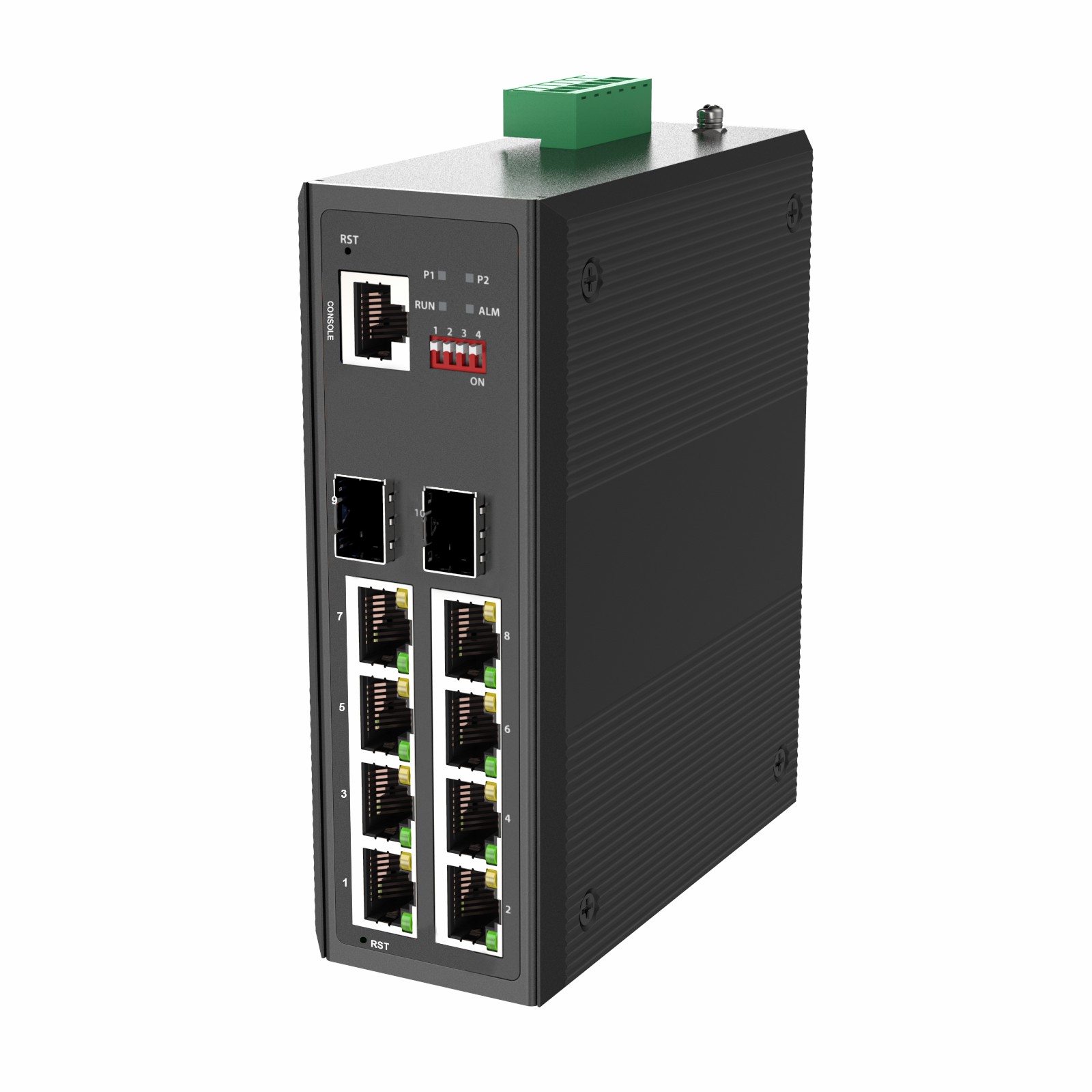
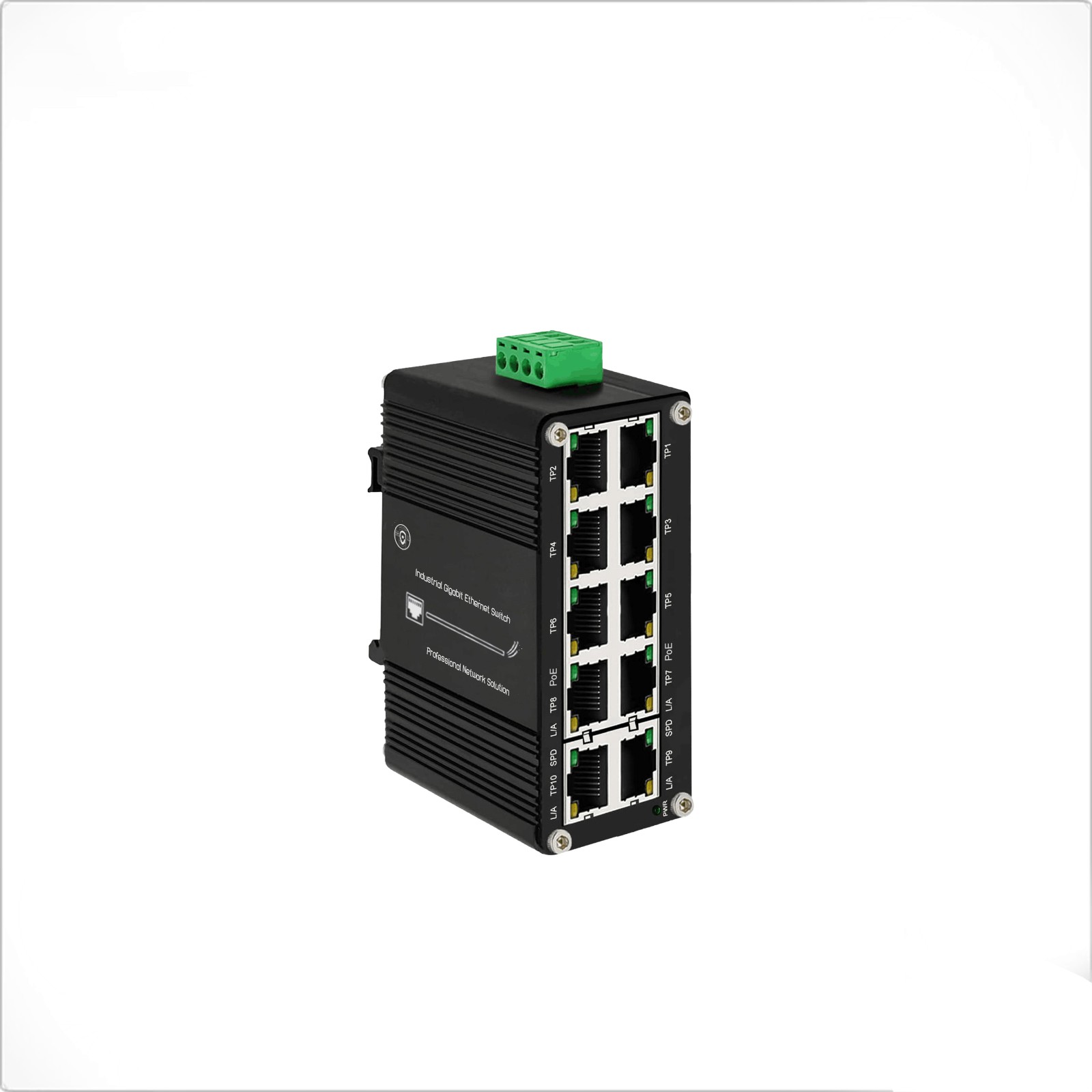
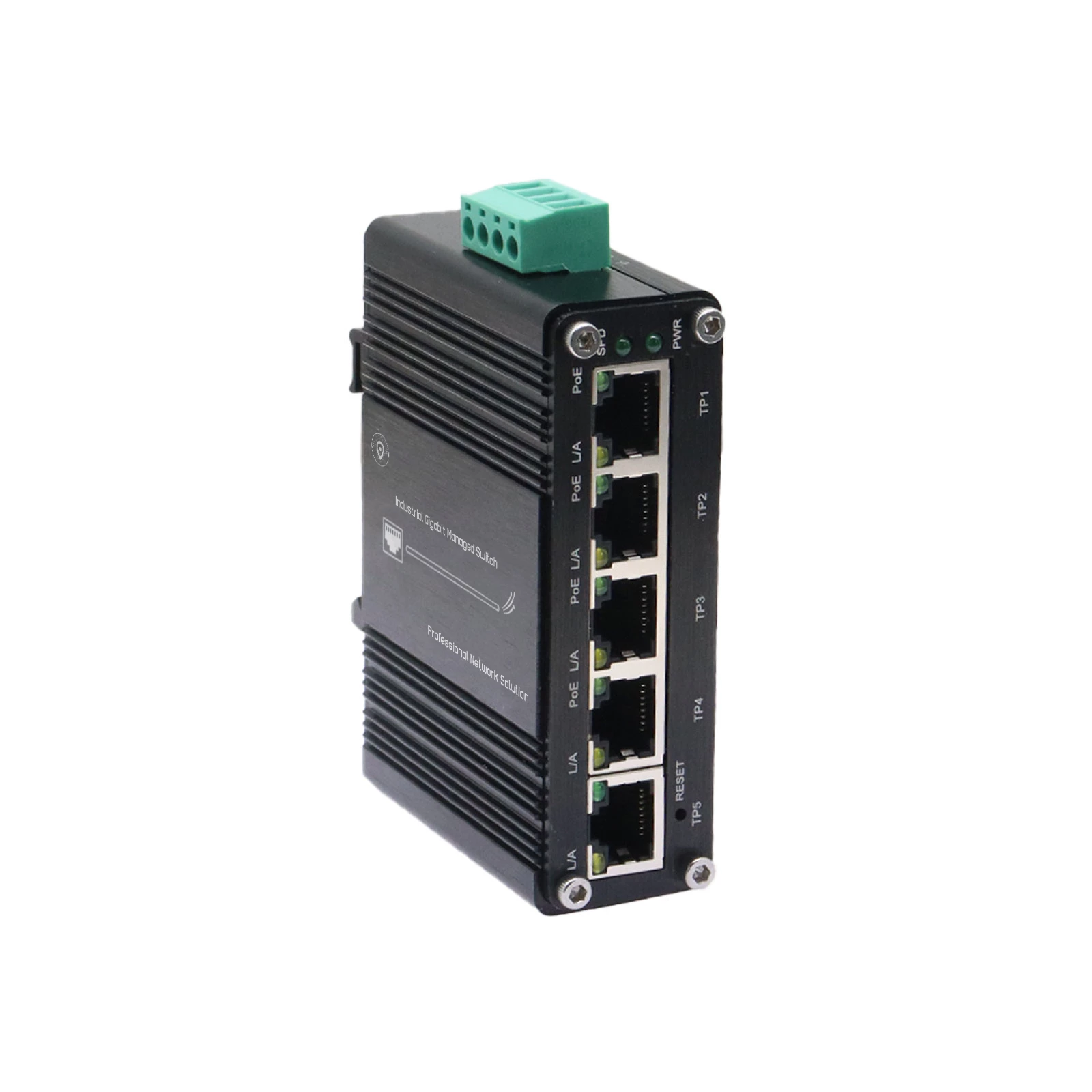
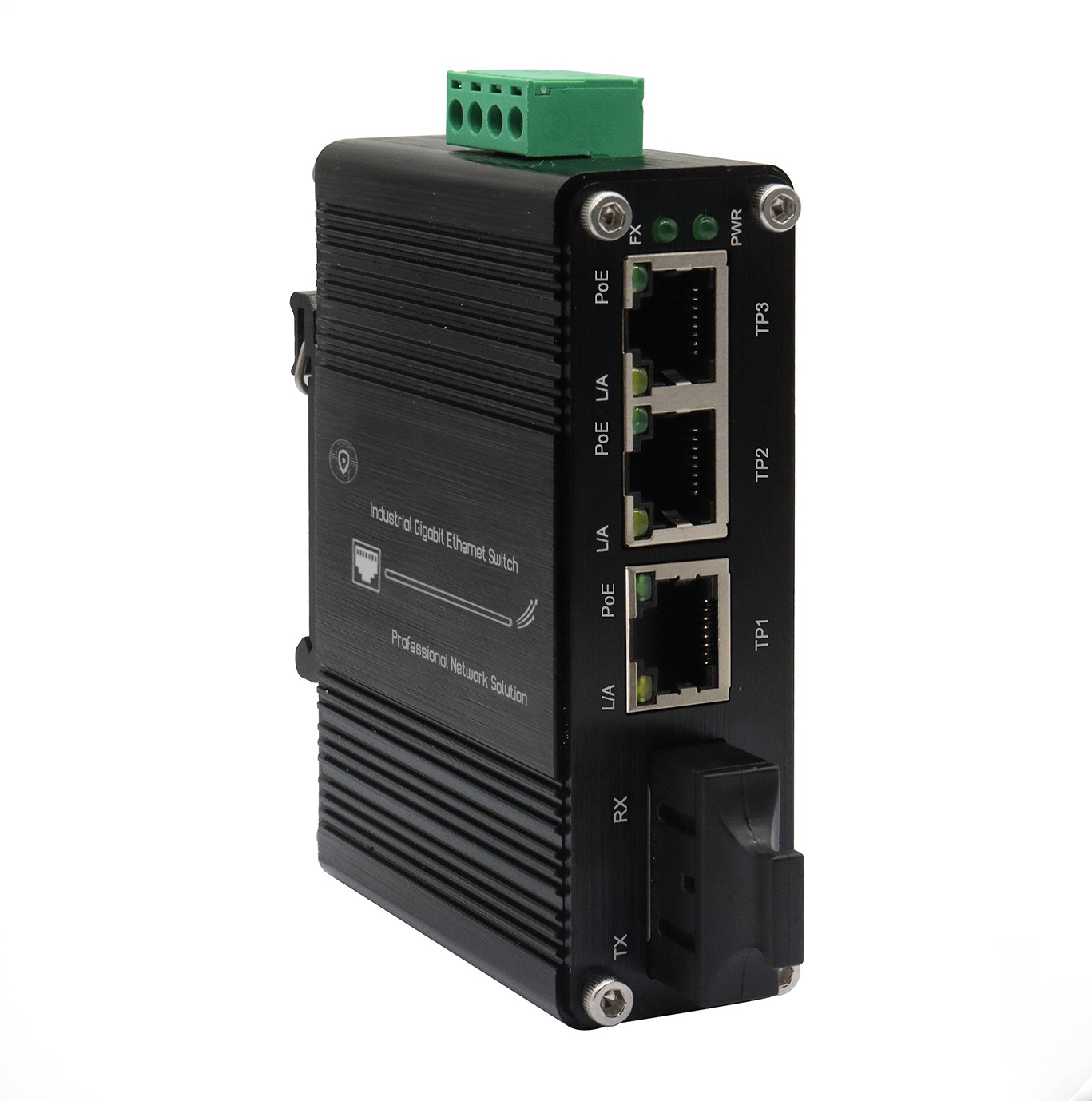
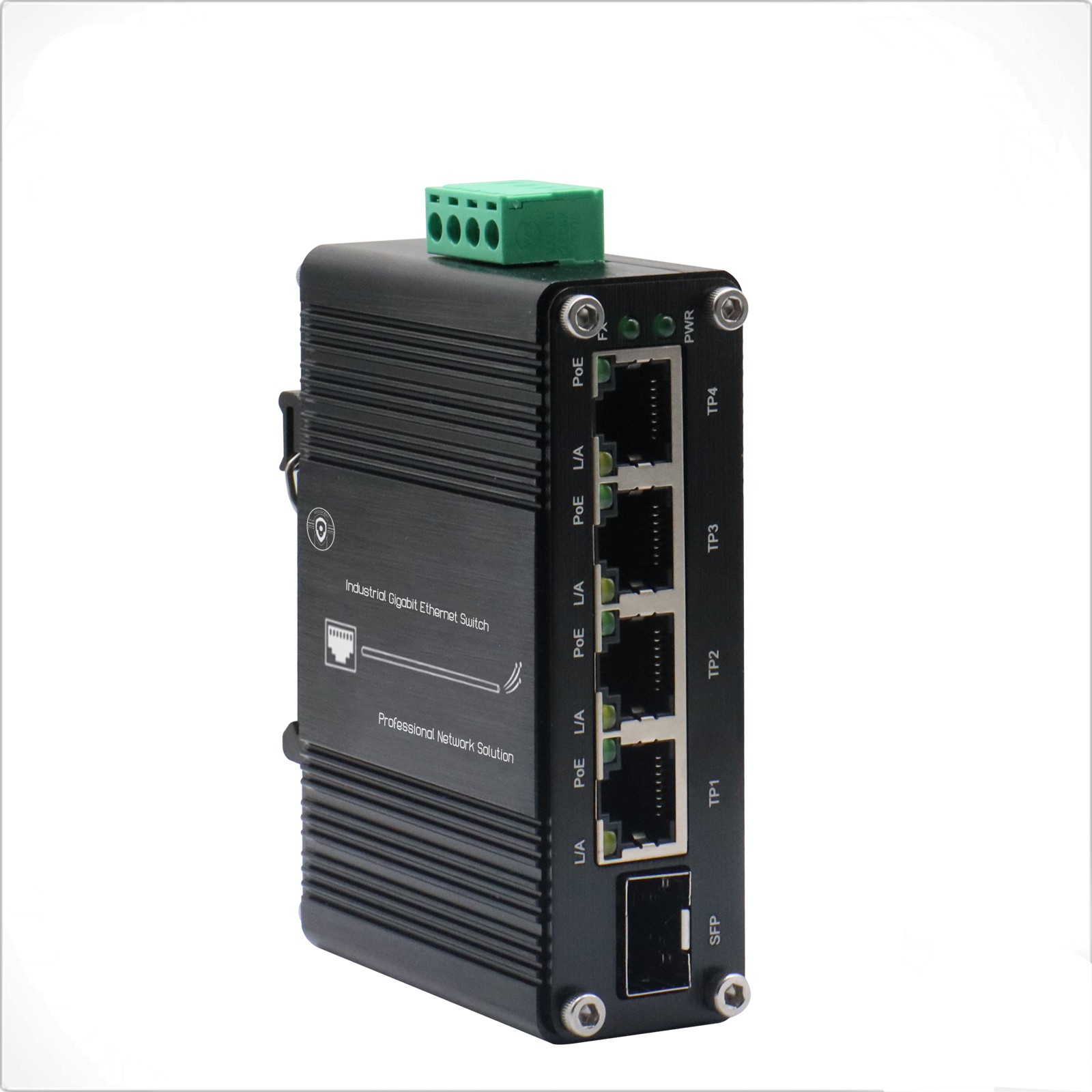
An Industrial PoE Switch is a network switch that provides both data transmission and Power over Ethernet (PoE) to connected devices.
Typical powered devices include:
IP Cameras
PTZ Cameras
Wireless Access Points
Industrial IoT Devices
VoIP Phones
Industrial PoE Switches are designed for harsh environments and support wide operating temperatures, redundant power inputs and industrial-grade reliability.
Advantages of Industrial PoE Switch
Multiple PoE ports
Centralized power management
Easy network expansion
Gigabit transmission support
Industrial-grade protection
Suitable for large surveillance systems
What Is a PoE Injector?
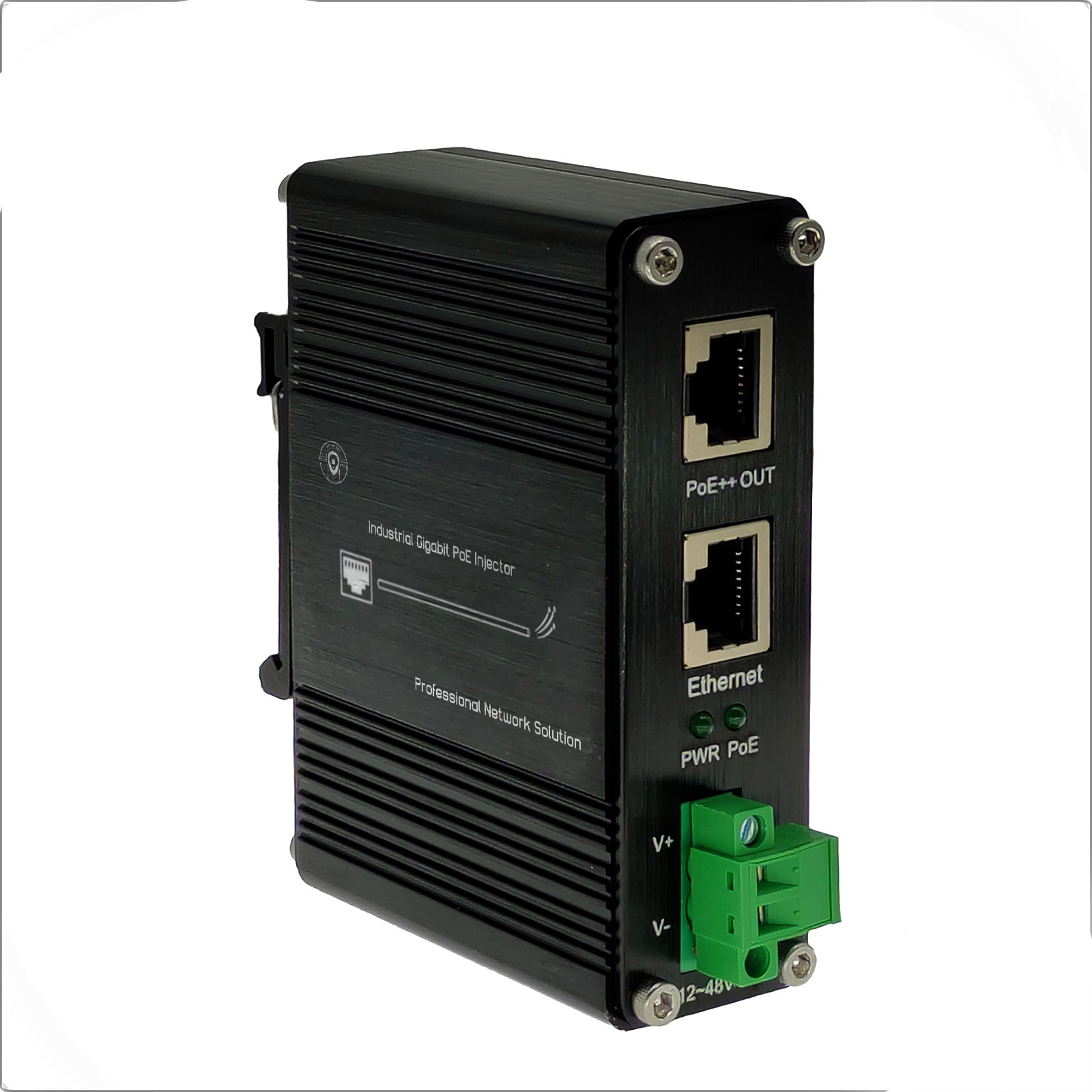
A PoE Injector is a device that adds power to an Ethernet cable for a single network device.
It is commonly used when:
Existing switches do not support PoE
Only one device requires power
Small surveillance projects are deployed
Advantages of PoE Injector
Lower initial cost
Easy installation
No need to replace existing switch
Suitable for single camera deployment
Industrial PoE Switch vs PoE Injector
| Feature | Industrial PoE Switch | PoE Injector |
|---|---|---|
| Device Support | Multiple Devices | Single Device |
| Network Expansion | Excellent | Limited |
| Installation Efficiency | High | Medium |
| Power Management | Centralized | Independent |
| Suitable Project Size | Medium & Large | Small |
| Maintenance | Easier | More Complex with Multiple Devices |
For projects with multiple IP cameras, Industrial PoE Switches often provide better scalability and lower long-term operating costs.
When to Choose an Industrial PoE Switch
Industrial PoE Switches are ideal for:
Factory Surveillance
Connecting multiple cameras across production lines.
Transportation Systems
Supporting cameras, wireless bridges and monitoring equipment.
Smart City Projects
Managing large-scale surveillance deployments.
Warehouse Monitoring
Powering cameras and wireless access points through a centralized network infrastructure.
When to Choose a PoE Injector
PoE Injectors are recommended for:
Single IP camera installations
Existing non-PoE network upgrades
Temporary deployments
Budget-sensitive projects
For small projects, PoE Injectors can be a practical and affordable option.
Cost Comparison
Although a PoE Injector is cheaper initially, costs can increase significantly when multiple devices are added.
For example:
1 Camera → PoE Injector
2–4 Cameras → Depends on project size
5+ Cameras → Industrial PoE Switch is usually more economical
This is why most professional surveillance systems eventually adopt PoE Switch solutions.
Future Network Expansion
Modern surveillance networks continue to grow.
Industrial PoE Switches offer:
Gigabit Ethernet connectivity
Fiber uplink support
VLAN management
Network monitoring
Redundant power design
These features make future upgrades easier and more cost-effective.
Conclusion
Both Industrial PoE Switches and PoE Injectors play important roles in IP camera systems.
For single-device installations, a PoE Injector offers a simple and cost-effective solution. For larger surveillance projects, Industrial PoE Switches provide better scalability, centralized management and long-term reliability.
Choosing the right PoE solution depends on the number of devices, future expansion requirements and operating environment.