简体中文
简体中文 English
- PRODUCTSIndustrial PoE Media Converter Industrial Media Converter Industrial Unmanaged PoE Switch Industrial Managed PoE Switch Industrial Unmanaged Ethernet Switch Industrial Managed Ethernet Switch Industrial PoE Injector Industrial PoE Splitter Industrial PoE Extender DIN-Rail Power Supply Rackmount DIN-Rail BracketHDMI Over Fiber ConverterSDI Over Fiber ConverterSDI Over Fiber Converter 12G-SDI Over Fiber Converter 3G-SDI Over Fiber Converter HD-SDI Over Fiber ConverterDVI Over Fiber ConverterAHD/CVI/TVI Over Fiber
- SOLUTIONS
- Download
- ABOUT
- CONTACT


Modern buildings are becoming increasingly connected. Commercial buildings, hospitals, airports, campuses, hotels, and industrial facilities now integrate multiple systems into a unified digital infrastructure.
Heating, ventilation, air conditioning, lighting, access control, surveillance, energy monitoring, and other building systems all depend on reliable communication.
A building automation Ethernet switch provides the network connectivity required to bring these systems together.
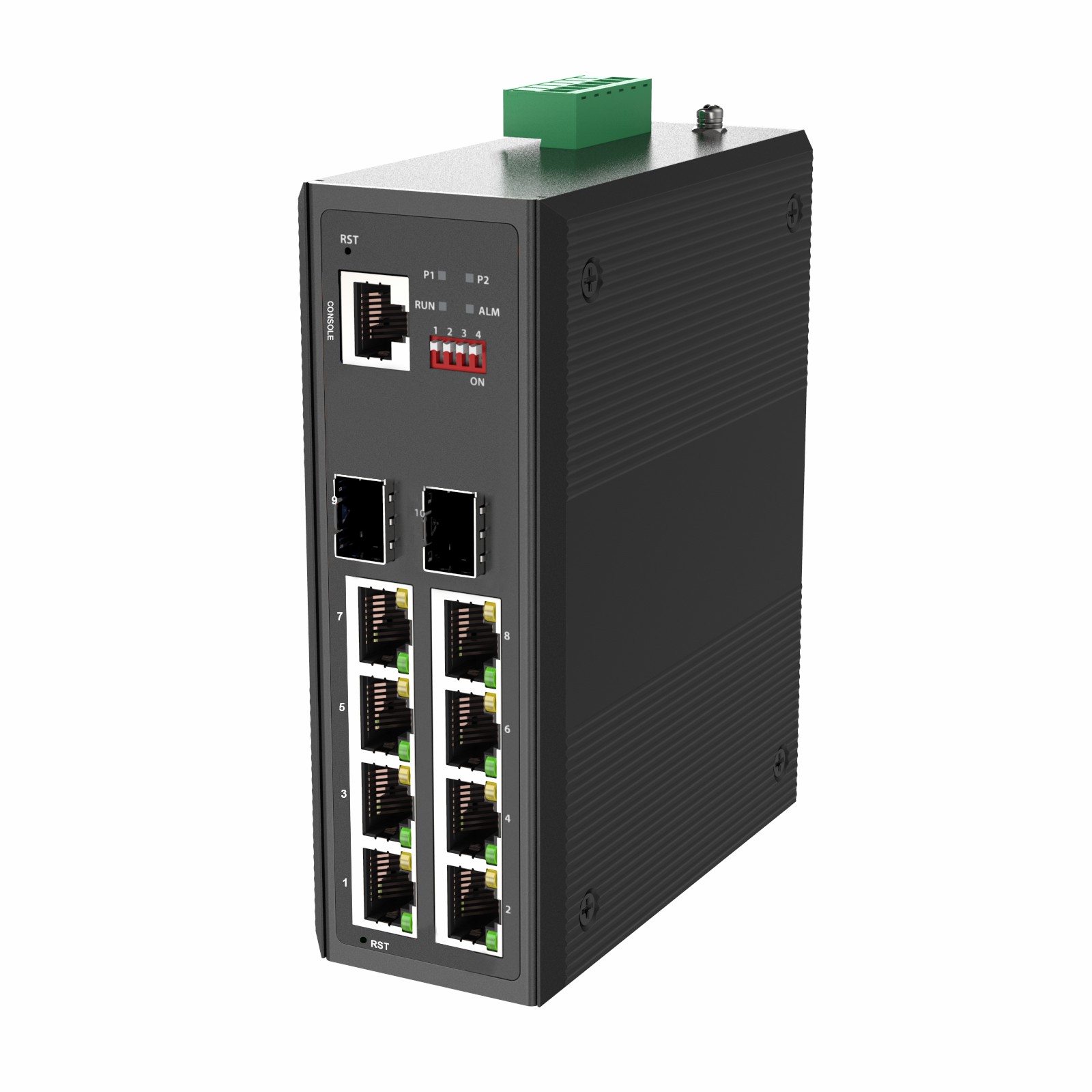
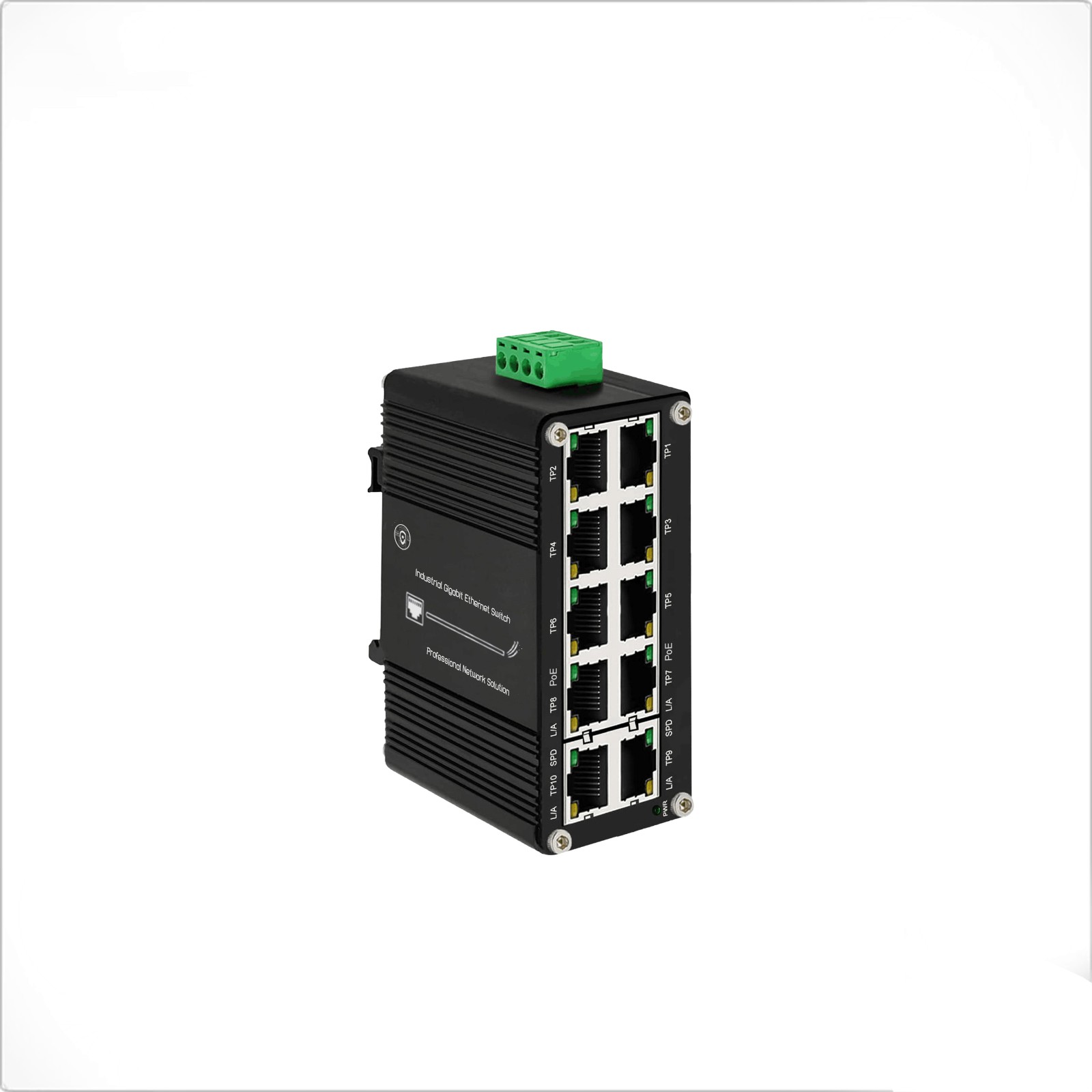
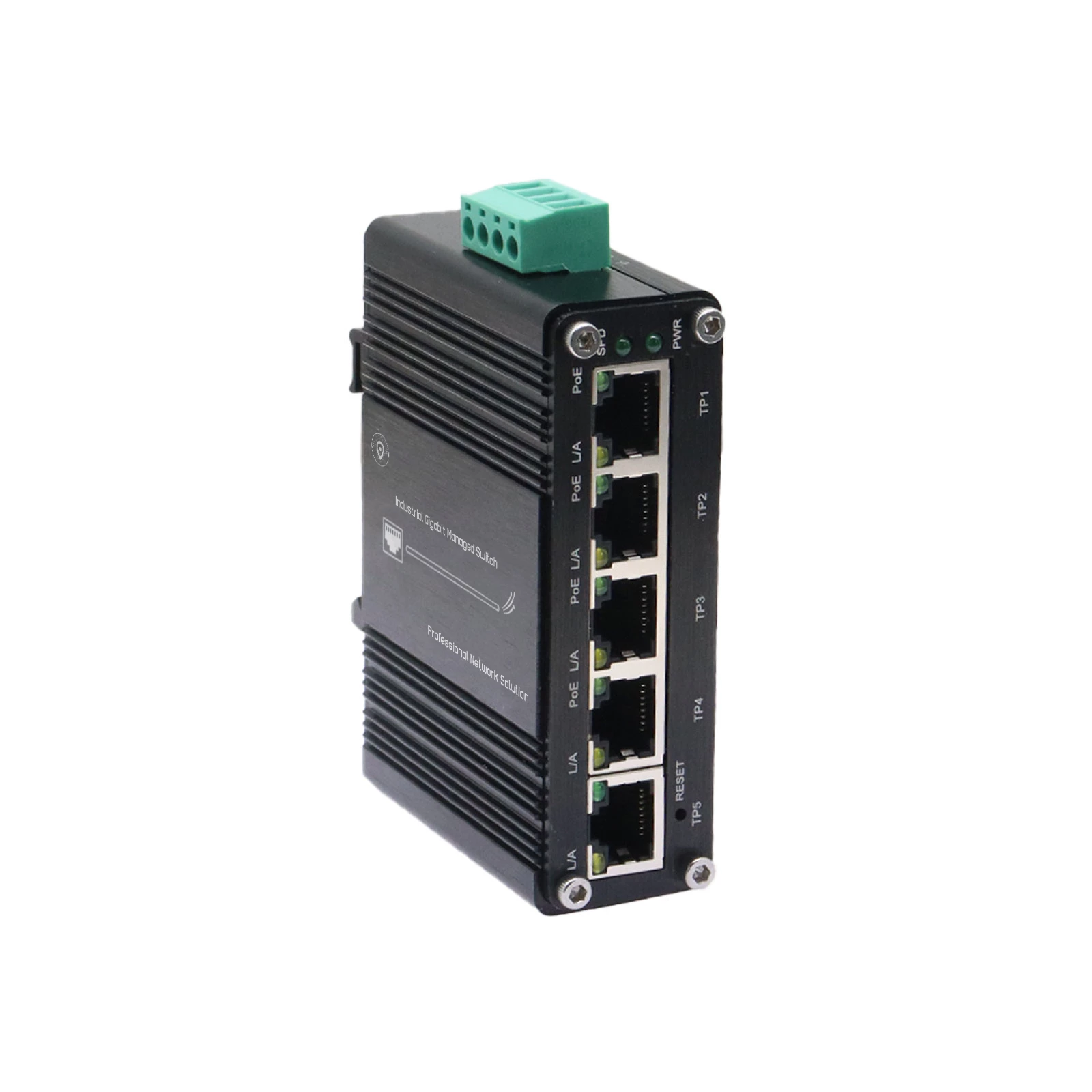
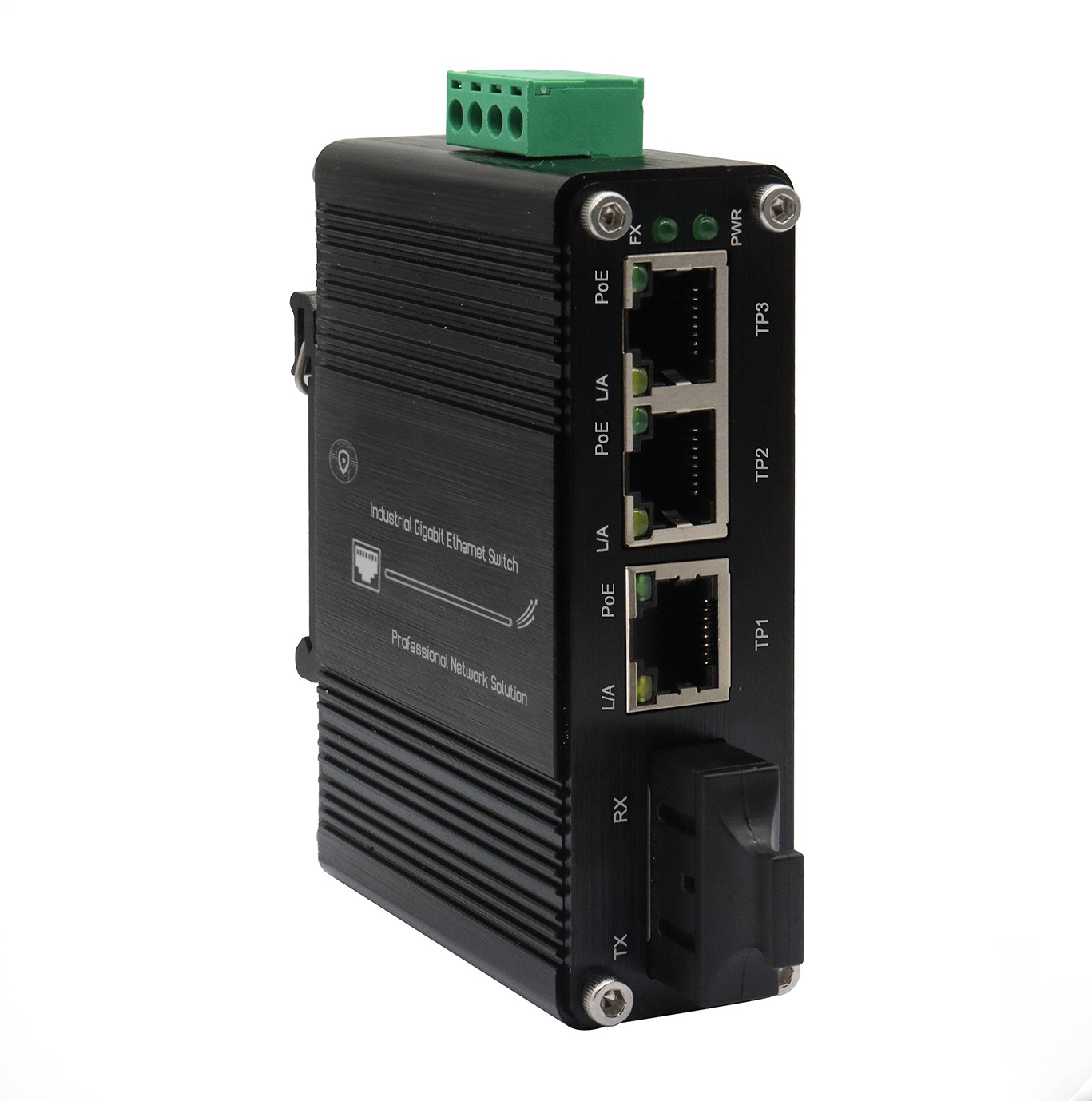
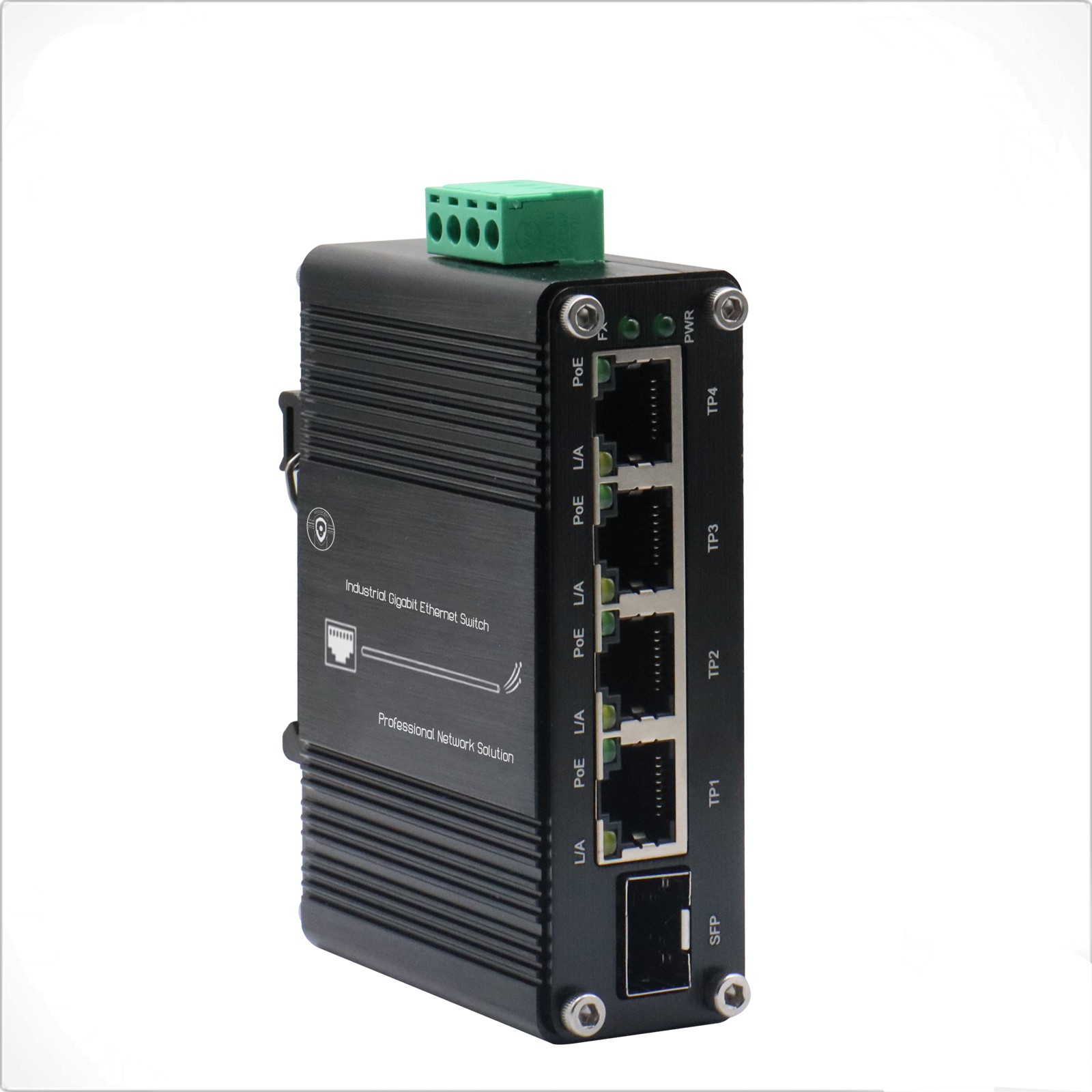
For projects that involve outdoor equipment rooms, utility facilities, mechanical rooms, or demanding operating conditions, industrial Ethernet switches can provide additional reliability and environmental protection.
1. Why Building Automation Needs Reliable Ethernet Networks
A modern building may contain hundreds or thousands of connected devices.
Typical systems include:
HVAC controllers
Building management systems
IP cameras
Access control systems
Lighting controllers
Energy meters
Sensors
Elevators
Fire and safety monitoring equipment
IoT gateways
These devices continuously exchange information with centralized management platforms.
If network connectivity becomes unstable, building operators may lose visibility or control over critical equipment.
A reliable Ethernet infrastructure helps maintain continuous communication between field devices and building management systems.
2. Industrial Ethernet Switch Applications in Smart Buildings
HVAC Automation
Heating and cooling systems are among the largest energy consumers in commercial buildings.
Ethernet networks connect:
HVAC controllers
Temperature sensors
Air handling units
Chillers
Building management servers
Real-time data allows facility managers to monitor and optimize HVAC operation.
Building Management Systems
A Building Management System, or BMS, integrates multiple building functions into a centralized platform.
An Ethernet network can connect:
Field Devices → Controllers → Ethernet Switch → BMS Server → Management Platform
This allows facility operators to monitor equipment from a centralized interface.
IP Surveillance
Security cameras are an important part of smart building infrastructure.
Industrial PoE Ethernet switches can connect IP cameras while providing power through Ethernet cabling.
Applications include:
Office buildings
Industrial facilities
Parking garages
Campuses
Transportation facilities
3. PoE Ethernet Switches for Building Automation
PoE technology simplifies network deployment by transmitting power and data through a single Ethernet cable.
Industrial PoE switches can support compatible:
IP cameras
Wireless access points
Access control terminals
IoT gateways
Networked sensors
Benefits of PoE
Reduced Cabling
One Ethernet connection can provide both communication and power.
Simplified Installation
Network installers can deploy compatible devices without separate local power connections.
Centralized Management
Managed PoE switches can provide visibility into connected ports and power usage.
4. Industrial Ethernet Switches for HVAC and Facility Monitoring
Building mechanical systems may be installed in locations with less controlled environmental conditions.
Examples include:
Mechanical rooms
Utility rooms
Parking facilities
Rooftop equipment areas
Outdoor control cabinets
In these locations, industrial Ethernet switches can offer advantages such as:
Rugged metal construction
Fanless operation
Wide temperature support
Industrial-grade components
This makes them suitable for applications where standard office networking equipment may not be ideal.
5. Managed Ethernet Switches for Smart Building Networks
Large building automation projects require more than simple connectivity.
Managed industrial Ethernet switches provide network administrators with greater control.
VLAN
VLANs can separate different building systems.
For example:
Building Automation Network
HVAC and facility controllers
Security Network
IP cameras and access control
Management Network
Servers and network administration
Network segmentation improves organization and helps control traffic between systems.
QoS
Quality of Service can prioritize important automation and monitoring traffic.
This is useful when multiple building systems share the same network infrastructure.
SNMP
SNMP allows administrators to remotely monitor network devices.
They can track:
Port status
Traffic conditions
Device availability
Network faults
This helps facility teams identify communication problems more efficiently.
6. Fiber Ethernet for Large Building Projects
Large buildings and campuses may require communication over long distances.
Fiber Ethernet is suitable for connecting:
Multiple buildings
Control rooms
Server rooms
Remote equipment rooms
Campus facilities
Fiber provides:
Long transmission distance
High bandwidth
Strong resistance to electromagnetic interference
Industrial Ethernet switches with SFP fiber interfaces provide flexibility for these network architectures.
7. Network Redundancy for Critical Building Systems
Some facilities require high network availability.
Examples include:
Hospitals
Airports
Data centers
Large industrial campuses
Critical infrastructure buildings
Managed industrial Ethernet switches may support technologies such as:
RSTP
ERPS
Link aggregation
Dual power input
These technologies can provide alternative communication paths when properly designed and configured.
8. Industrial Ethernet Switch vs Commercial Ethernet Switch
| Feature | Industrial Ethernet Switch | Commercial Ethernet Switch |
|---|---|---|
| Typical Environment | Industrial or demanding areas | Offices and commercial spaces |
| Construction | Rugged industrial housing | Standard housing |
| Cooling | Fanless options available | Model dependent |
| Temperature | Wide-temperature models available | Standard indoor range |
| Applications | Automation and facility infrastructure | General IT networking |
| Network Management | Managed options available | Model dependent |
| Power Options | Industrial DC options available | Commonly AC powered |
For standard office networks, commercial switches may be sufficient. For demanding building automation environments, industrial models can provide additional environmental reliability.
9. How to Choose an Ethernet Switch for Building Automation Projects
Determine the Number of Devices
Estimate current and future network requirements.
Common switch configurations include:
5-port
8-port
16-port
24-port
48-port
Allowing spare ports can make future expansion easier.
Consider PoE Requirements
For projects using IP cameras, access points, and other powered devices, evaluate:
PoE standard
Power per port
Total PoE budget
Number of powered devices
Evaluate Fiber Requirements
For large buildings or campuses, determine whether SFP fiber uplinks are needed.
Fiber can be particularly useful for backbone connections between network cabinets.
Select Managed or Unmanaged
Unmanaged
Suitable for simple networks where plug-and-play connectivity is sufficient.
Managed
Recommended when the project requires:
VLAN
QoS
SNMP
Redundancy
Remote management
10. Smart Buildings and Industrial IoT
Smart building systems are increasingly adopting IoT technology.
Connected devices can monitor:
Temperature
Energy consumption
Occupancy
Air quality
Equipment conditions
Lighting status
Industrial Ethernet switches provide the communication infrastructure connecting these devices with local controllers and centralized management platforms.
The result is a more connected building environment:
Sensors → Controllers → Ethernet Network → BMS → Data Analysis
This enables facility managers to improve energy efficiency, maintenance planning, and operational visibility.
11. Benefits for Building Automation System Integrators
For BMS contractors and system integrators, selecting the right Ethernet switch can simplify project deployment.
Important benefits include:
Flexible port configurations
PoE device support
Copper and fiber connectivity
Industrial environmental protection
Network redundancy
Remote monitoring
Scalable network architecture
A standardized industrial Ethernet platform can also make maintenance and expansion easier across multiple projects.
Industrial PoE Switch | Managed PoE Switch | Gigabit PoE Switch | DIN Rail PoE Switch | Industrial Ethernet Switch | Smart Transportation Network | Traffic Monitoring System | Outdoor PoE Switch | PoE for CCTV | Fiber Uplink PoE Switch