简体中文
简体中文 English
- PRODUCTSIndustrial PoE Media Converter Industrial Media Converter Industrial Unmanaged PoE Switch Industrial Managed PoE Switch Industrial Unmanaged Ethernet Switch Industrial Managed Ethernet Switch Industrial PoE Injector Industrial PoE Splitter Industrial PoE Extender DIN-Rail Power Supply Rackmount DIN-Rail BracketHDMI Over Fiber ConverterSDI Over Fiber ConverterSDI Over Fiber Converter 12G-SDI Over Fiber Converter 3G-SDI Over Fiber Converter HD-SDI Over Fiber ConverterDVI Over Fiber ConverterAHD/CVI/TVI Over Fiber
- SOLUTIONS
- Download
- ABOUT
- CONTACT


Modern industrial facilities rely on SCADA systems to monitor equipment, collect production data, visualize operating conditions, and support centralized control. As factories and infrastructure become increasingly connected, a reliable Ethernet network is essential for communication between field devices, PLCs, HMIs, industrial computers, and SCADA servers.
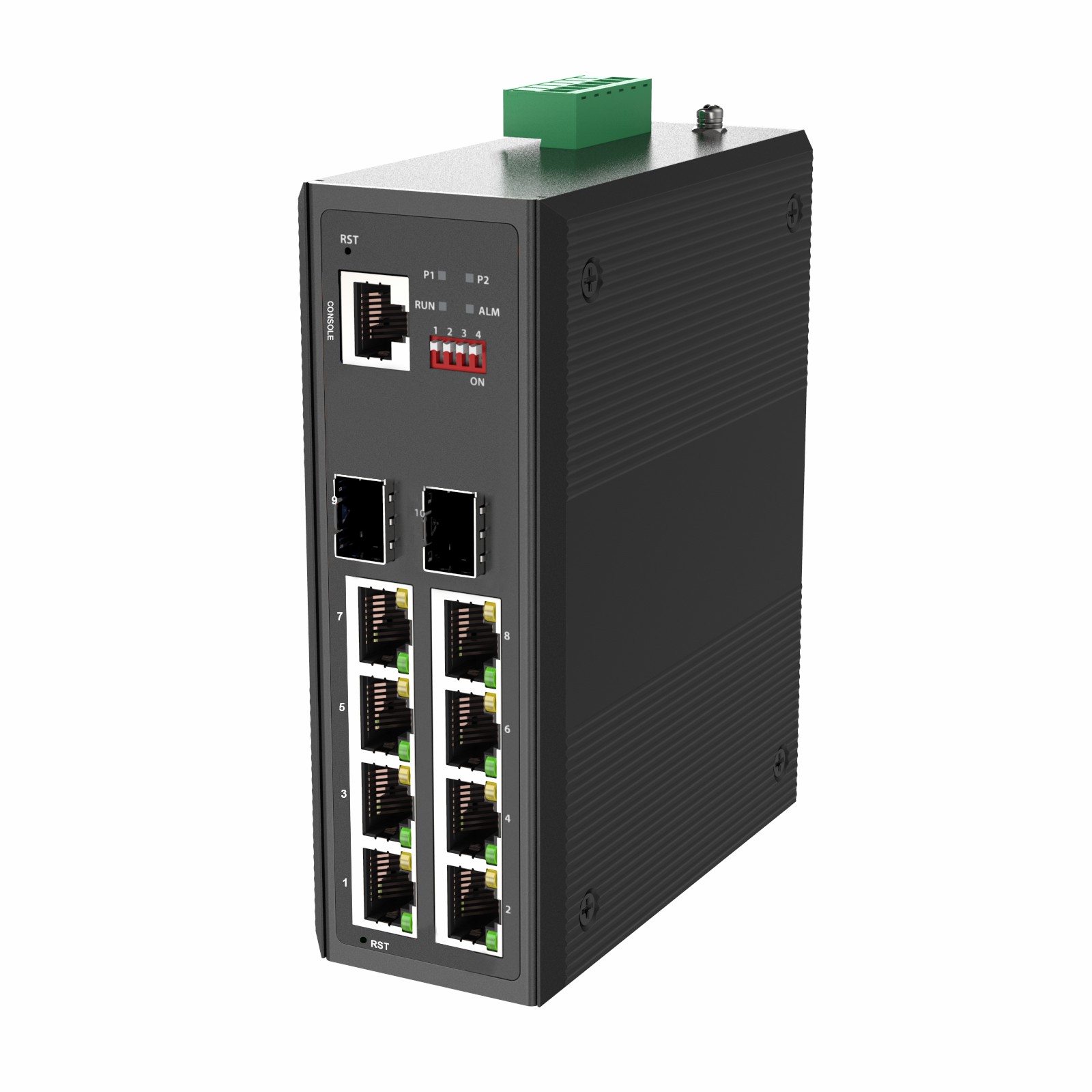
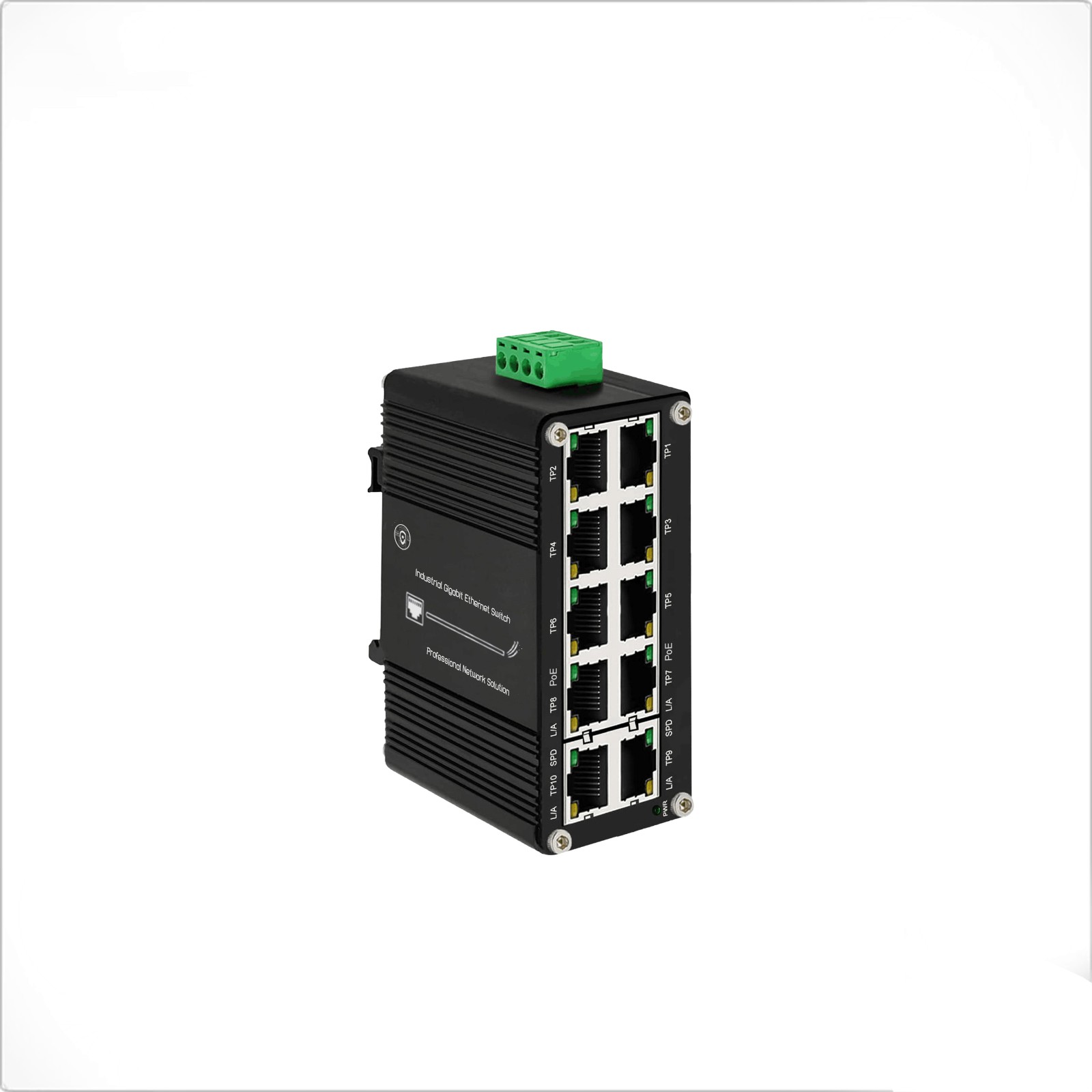
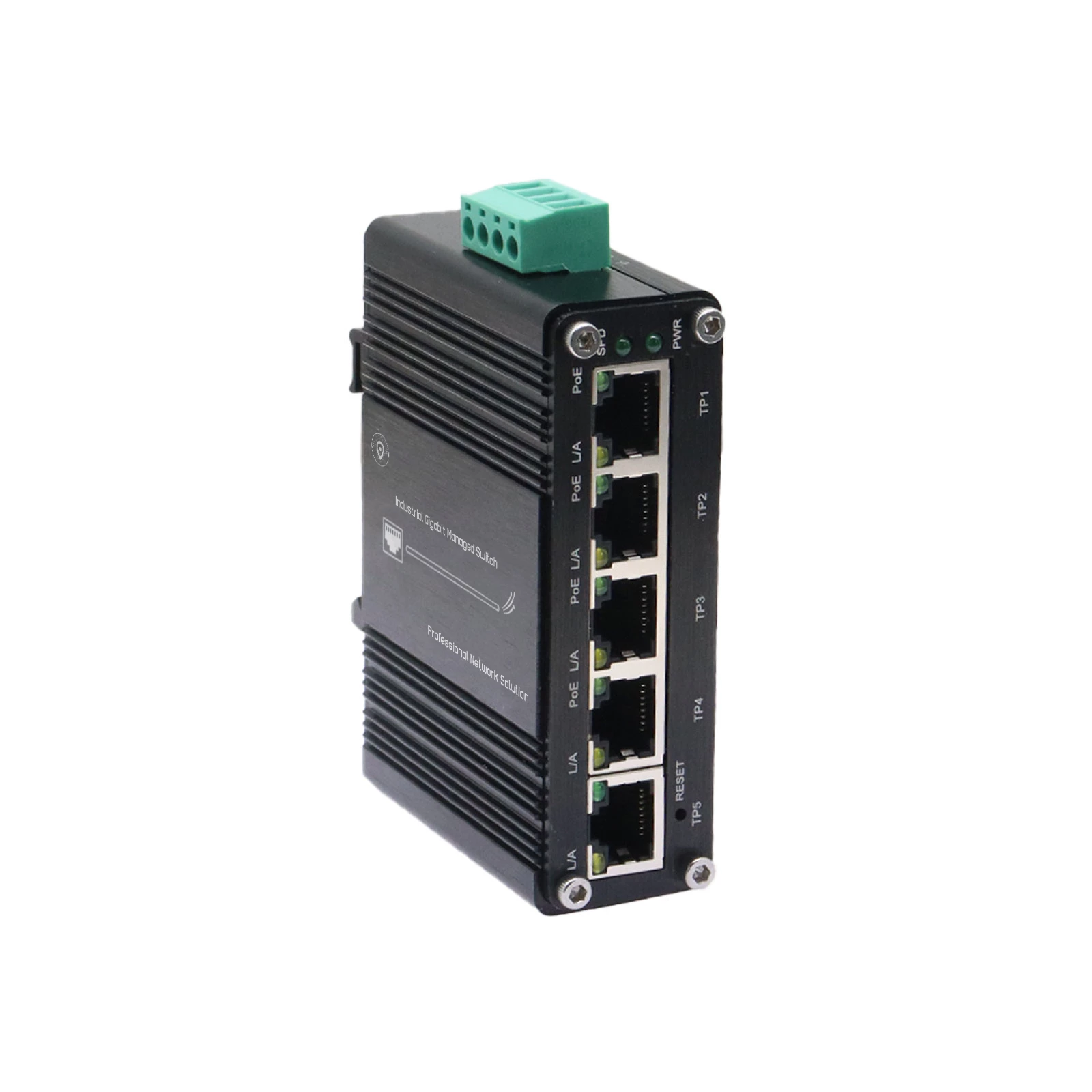
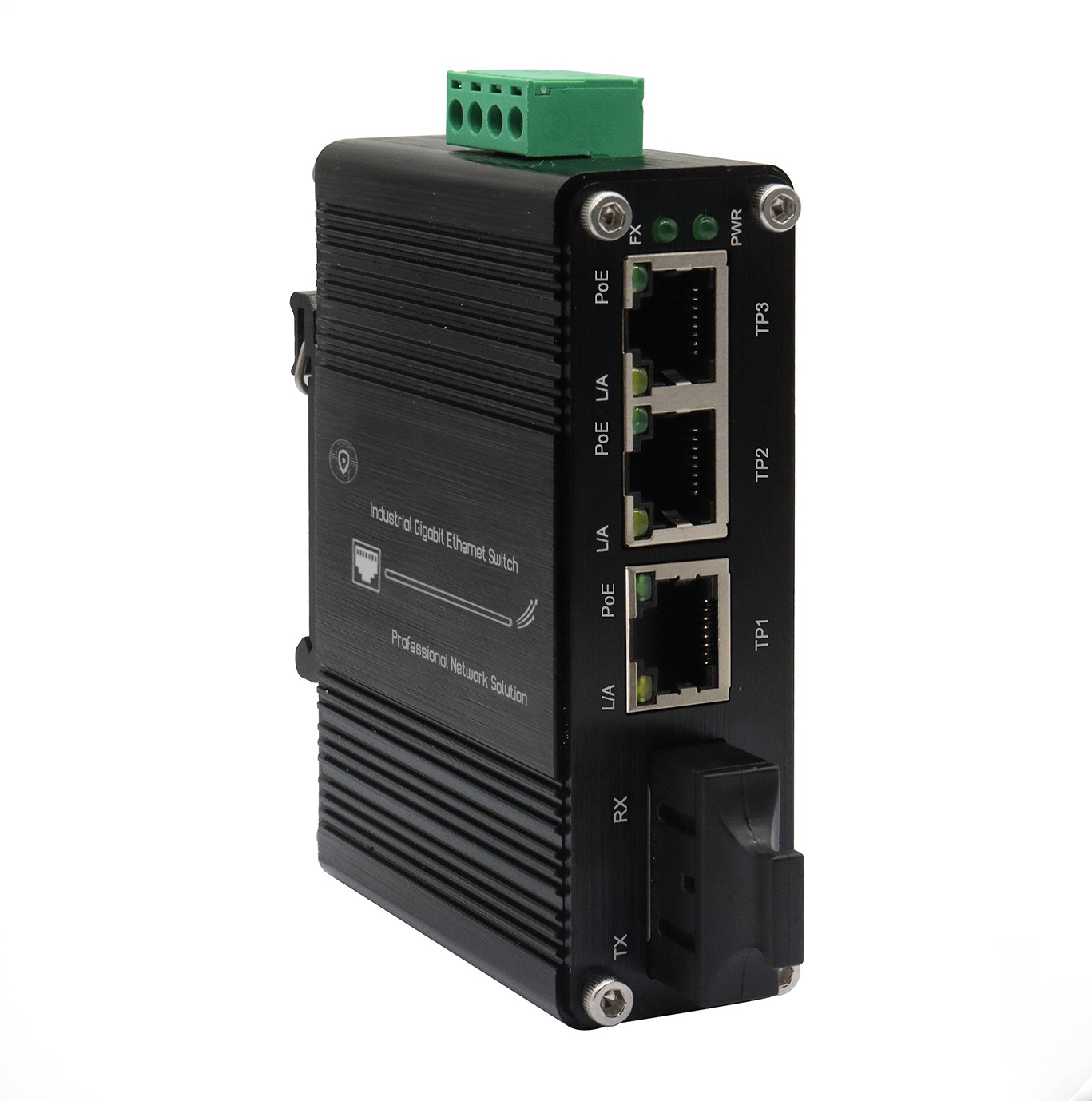
An Industrial Ethernet Switch provides the network infrastructure required to connect these devices in demanding industrial environments. With features such as Gigabit Ethernet, fiber optic uplinks, VLAN, QoS, SNMP, and network redundancy, industrial Ethernet switches can help create stable and scalable SCADA networks.
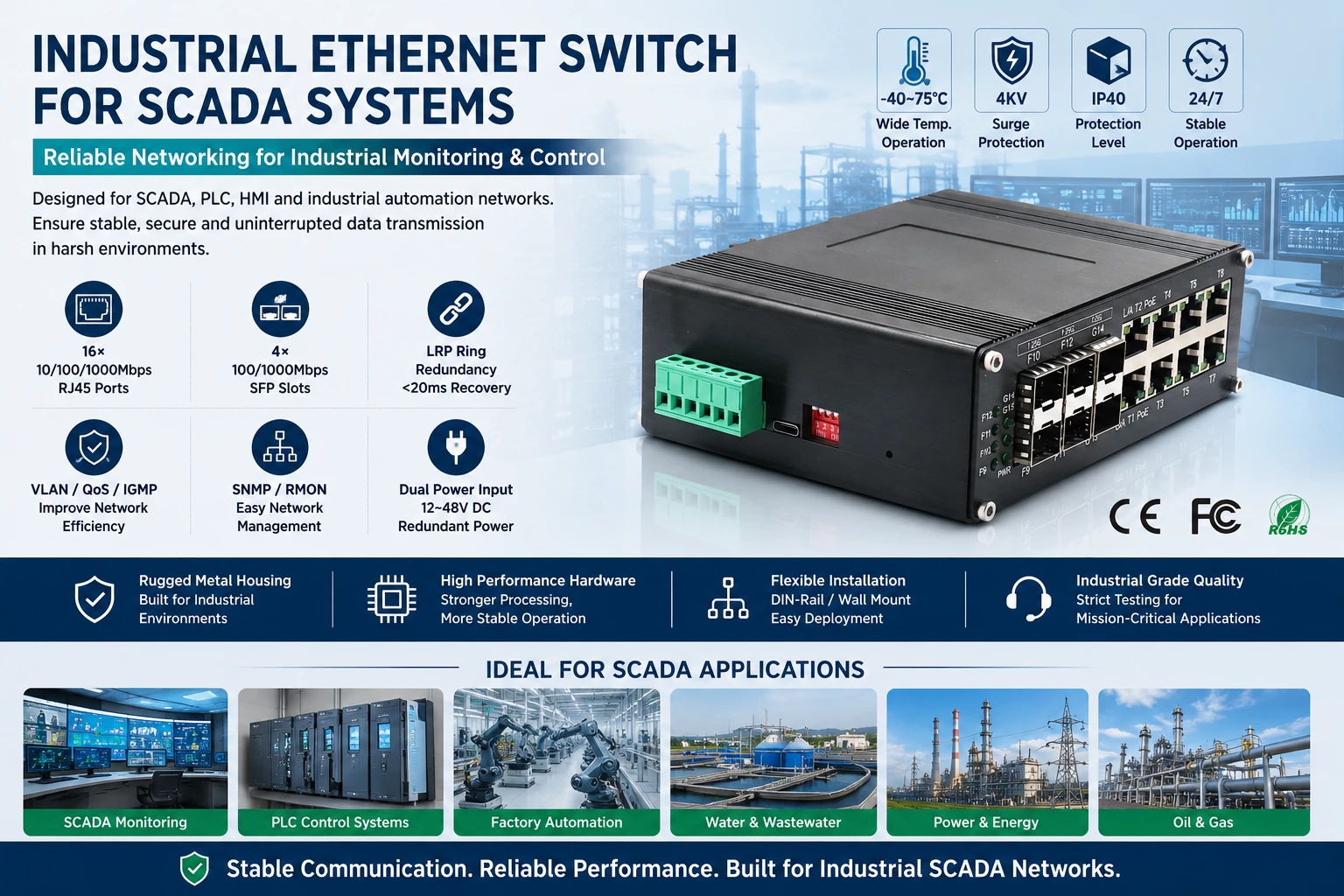
What Is a SCADA System?
SCADA stands for Supervisory Control and Data Acquisition. It is an industrial monitoring and control system used to collect data from field equipment and present that information to operators through centralized software interfaces.
A typical SCADA architecture may include:
PLC controllers
Remote I/O modules
Sensors
Actuators
Variable frequency drives
HMIs
Industrial PCs
SCADA servers
Engineering workstations
Industrial Ethernet switches
The Ethernet network connects these different components and enables data to move between field equipment and the supervisory system.
Why Industrial Ethernet Switches Are Important for SCADA
SCADA systems continuously exchange information between multiple layers of an industrial network.
For example, sensors may send process information to PLCs, while PLCs transmit operating data to SCADA servers. Operators can then view production parameters, alarms, equipment status, and historical information from centralized monitoring software.
An industrial Ethernet switch provides the communication infrastructure that connects these devices.
A properly designed network can help provide:
Stable device communication
Reliable data transmission
Centralized monitoring
Flexible network expansion
Network segmentation
Redundant communication paths
Long-distance fiber connectivity
Typical SCADA Network Architecture
A typical industrial SCADA network can be divided into several levels.
Field Level
The field level includes sensors, actuators, meters, remote I/O modules, and other equipment that directly interacts with industrial processes.
Control Level
PLCs and industrial controllers process information received from field devices and execute control logic.
Supervisory Level
SCADA servers, HMIs, industrial PCs, and operator workstations provide centralized monitoring, visualization, alarms, and data management.
Network Level
Industrial Ethernet switches connect the different devices and provide communication between field, control, and supervisory systems.
This layered architecture makes it easier to organize industrial networks and expand them as production requirements change.
Key Features of an Industrial Ethernet Switch for SCADA
Gigabit Ethernet
Modern SCADA networks may connect many devices and transmit large amounts of monitoring and production data. Gigabit Ethernet ports provide higher bandwidth for industrial applications.
Fiber Optic Uplinks
Fiber optic communication is particularly useful for connecting different production areas, control rooms, or buildings.
Industrial switches with SFP or SFP+ ports can provide flexible fiber connectivity while helping reduce the impact of electromagnetic interference over long industrial cable routes.
VLAN
VLAN allows network administrators to logically separate different types of traffic.
For example, a factory may separate:
SCADA traffic
PLC communication
CCTV traffic
Management traffic
Engineering workstation traffic
This can make network organization and traffic management easier.
QoS
Quality of Service can prioritize selected network traffic when multiple applications share the same network.
This is useful in industrial environments where monitoring, control, and other data streams may operate simultaneously.
SNMP Network Management
Managed industrial Ethernet switches with SNMP support can provide network status information to centralized management software.
Network administrators can monitor switch status, port conditions, and other network information, helping simplify troubleshooting and maintenance.
Network Redundancy
SCADA systems used in critical industrial applications may require high network availability.
Industrial Ethernet switches can support network redundancy technologies such as ring topology and ERPS, allowing communication to continue through an alternative path if a network link fails.
Managed vs. Unmanaged Switches for SCADA
The choice between managed and unmanaged industrial Ethernet switches depends on the size and requirements of the SCADA network.
Unmanaged Industrial Ethernet Switch
Unmanaged switches are suitable for simple SCADA networks where advanced network configuration is not required.
They provide straightforward Ethernet connectivity and are easy to deploy.
Typical applications include:
Small machine monitoring systems
Simple PLC networks
Small production lines
Basic equipment communication
Managed Industrial Ethernet Switch
Managed switches are better suited to larger SCADA networks requiring network control and monitoring.
Common features include:
VLAN
QoS
SNMP
IGMP Snooping
Port management
Network diagnostics
Ring redundancy
Traffic management
For large factories and critical infrastructure projects, managed industrial Ethernet switches can provide greater flexibility and visibility.
Industrial Ethernet Switches for Remote SCADA Connectivity
Many industrial facilities have equipment distributed across large areas.
Examples include:
Water treatment facilities
Power infrastructure
Manufacturing plants
Transportation systems
Oil and gas facilities
Mining operations
Building utility systems
Fiber optic Ethernet connections can link remote equipment with centralized SCADA systems.
An industrial Ethernet switch with fiber uplinks can therefore serve as an important connection point between remote field networks and the central control network.
SCADA Network Reliability and Redundancy
SCADA systems may need to operate continuously for long periods. A network failure can interrupt monitoring and potentially affect industrial operations.
Network redundancy can reduce the impact of individual link failures.
A common architecture uses multiple industrial Ethernet switches connected in a ring. Under normal conditions, network traffic follows the configured network path. If one link fails, redundancy technology can provide an alternative communication path.
This approach can improve network availability without requiring every device to have multiple independent network connections.
Industrial Ethernet Switches in Factory SCADA Applications
Manufacturing
Industrial Ethernet switches connect PLCs, HMIs, sensors, machines, and SCADA servers throughout production facilities.
Energy and Power
SCADA networks can connect monitoring equipment, control systems, remote stations, and centralized management platforms.
Water and Wastewater
Industrial Ethernet networks can connect pumps, meters, PLCs, remote I/O, and SCADA monitoring systems.
Transportation
Distributed control and monitoring equipment can communicate through industrial Ethernet networks across transportation infrastructure.
Smart Factory
SCADA systems provide an important monitoring layer for connected manufacturing environments. Industrial Ethernet switches provide the network connectivity required to integrate machines and automation systems.
Why Use Industrial Ethernet Instead of Standard Office Switches?
Standard commercial Ethernet switches are generally designed for controlled indoor environments such as offices and server rooms.
Industrial environments may involve:
Temperature fluctuations
Electrical interference
Industrial machinery
Vibration
Long cable distances
Continuous operation
Distributed equipment
Industrial Ethernet switches are designed with industrial deployment requirements in mind.
Depending on the model, they may feature:
Rugged metal housing
Fanless cooling
Wide operating temperature range
Industrial power input
Fiber optic interfaces
Redundant power options
Network redundancy
Advanced management functions
How to Select an Industrial Ethernet Switch for a SCADA Project
Before choosing a switch, project engineers should evaluate several factors.
1. Number of Ethernet Devices
Calculate the number of PLCs, HMIs, SCADA servers, remote I/O modules, sensors, and other network devices.
2. Network Speed
Determine whether Fast Ethernet, Gigabit Ethernet, or higher-speed uplinks are required.
3. Fiber Requirements
For long-distance or electrically noisy environments, fiber optic uplinks may provide a better networking solution.
4. Managed or Unmanaged
Select unmanaged switches for simple networks and managed switches when VLAN, QoS, SNMP, redundancy, and network diagnostics are required.
5. Operating Environment
Check the required operating temperature, enclosure requirements, power supply, and installation conditions.
6. Network Redundancy
For critical SCADA systems, consider industrial switches supporting ring redundancy or other network recovery technologies.
Industrial PoE Switch | Managed PoE Switch | Gigabit PoE Switch | DIN Rail PoE Switch | Industrial Ethernet Switch | Smart Transportation Network | Traffic Monitoring System | Outdoor PoE Switch | PoE for CCTV | Fiber Uplink PoE Switch